
INFO
From April 11 until May 6, 2026
Vernissage: Saturday April 11, 6:00 – 9:30 pm
Von Buren Contemporary
Via Giulia 13
00186 Rome
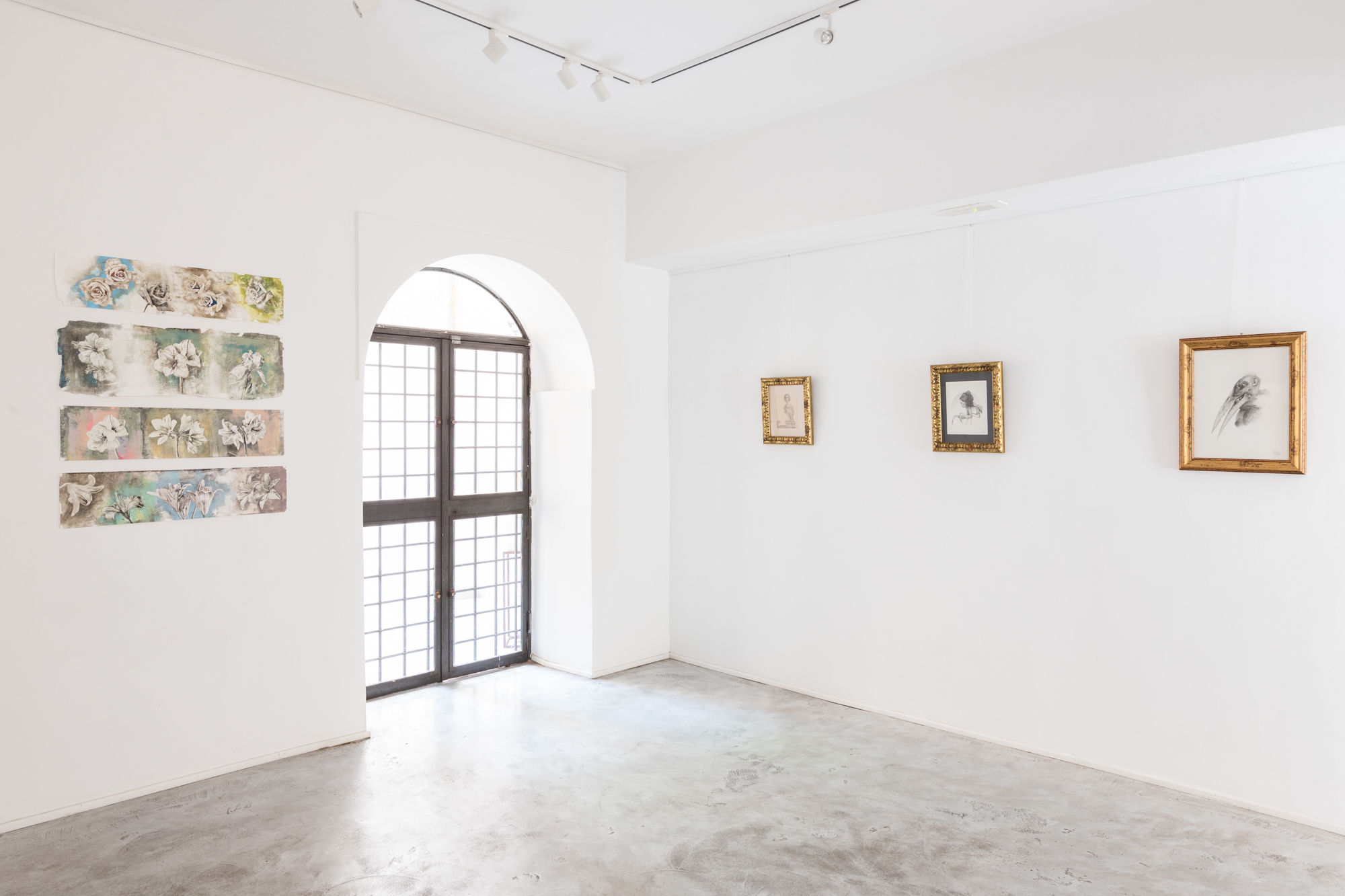
Von Buren Contemporary presents
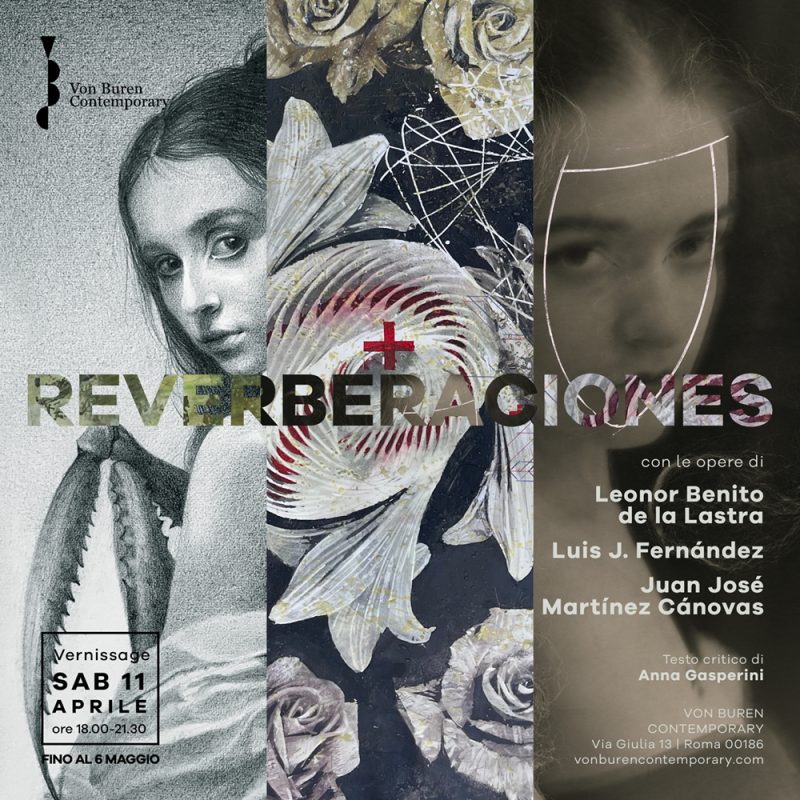
REVERBERACIONES
featuring the works of
Leonor Benito de la Lastra
Luis J. Fernández
Juan José Martínez Cánovas
Von Buren Contemporary
Via Giulia 13, 00186 Rome
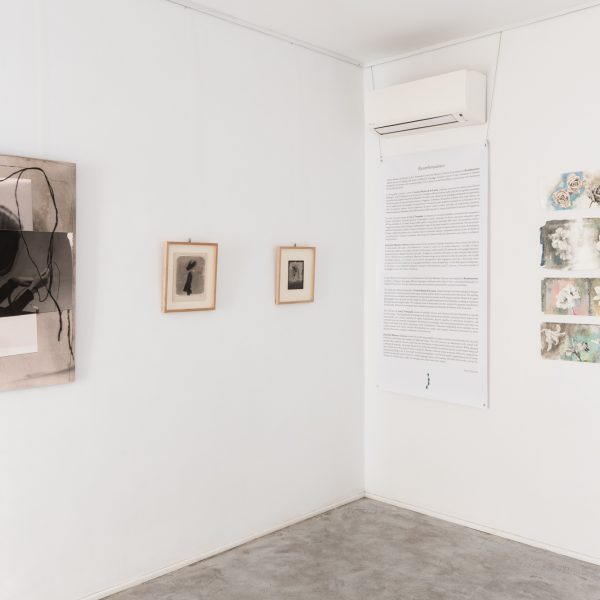
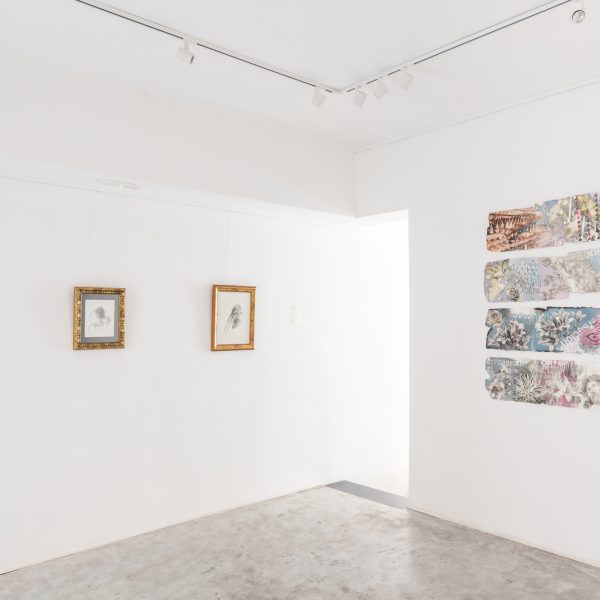
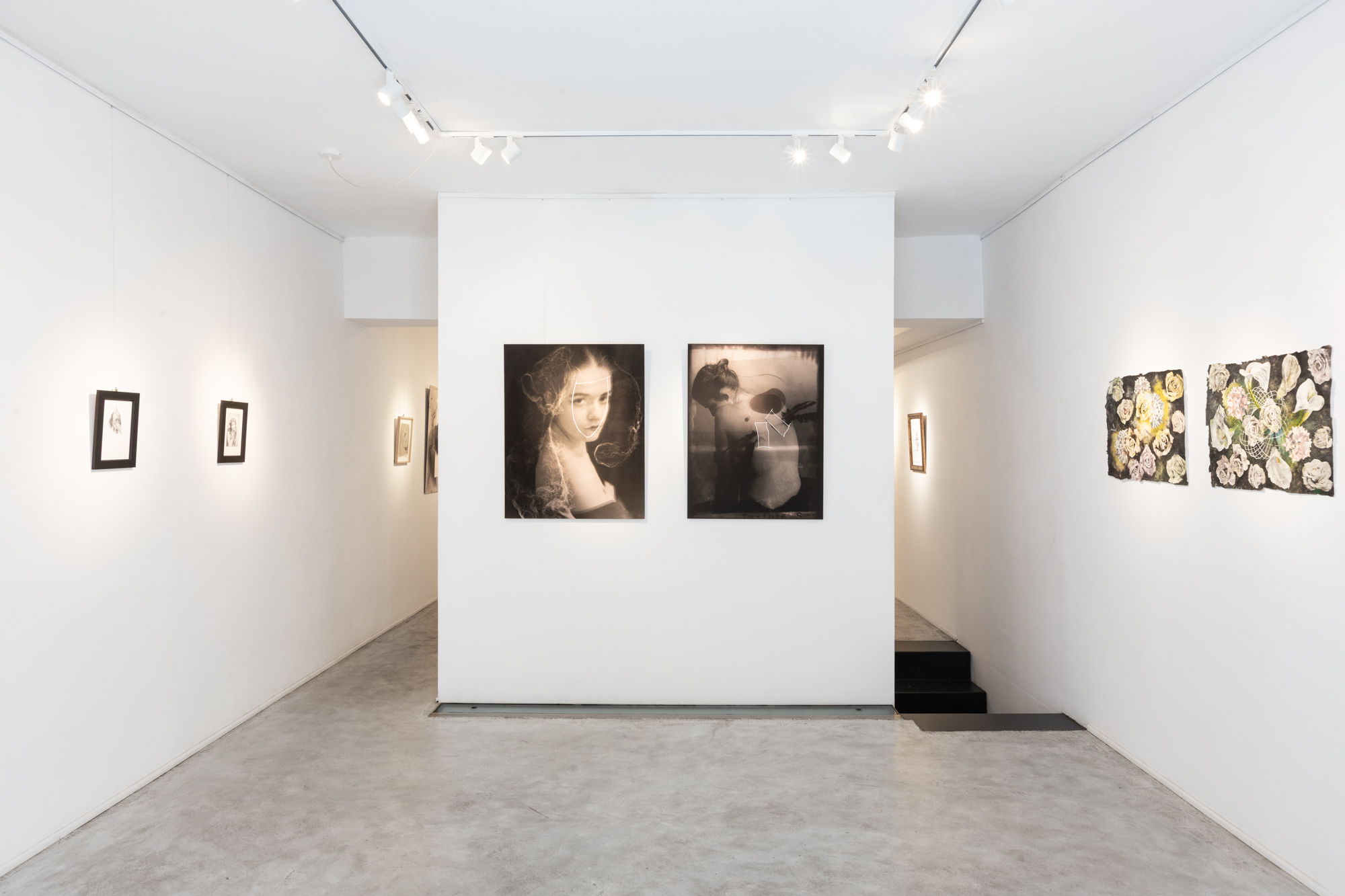
Von Buren Contemporary is thrilled to present Reverberaciones, a group show bringing together the work of three noted Spanish artists: Leonor Benito de la Lastra, Luis J. Fernández and Juan José Martínez Cánovas.
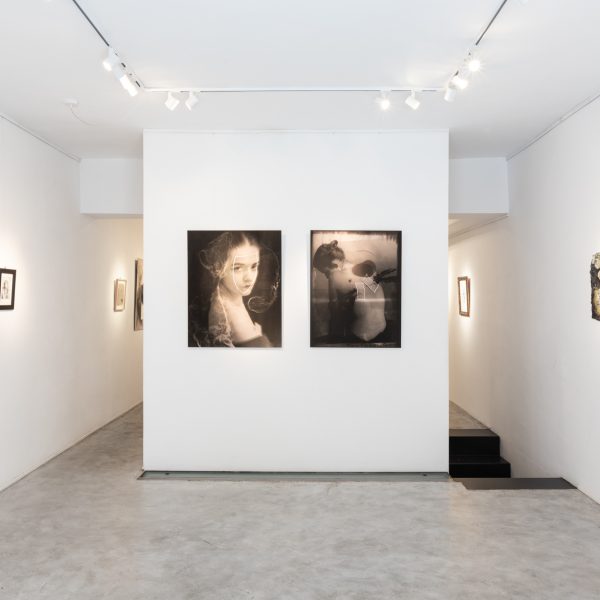
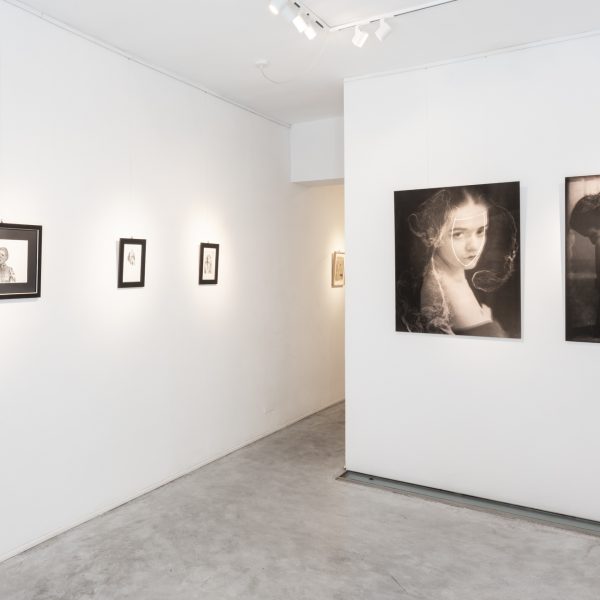
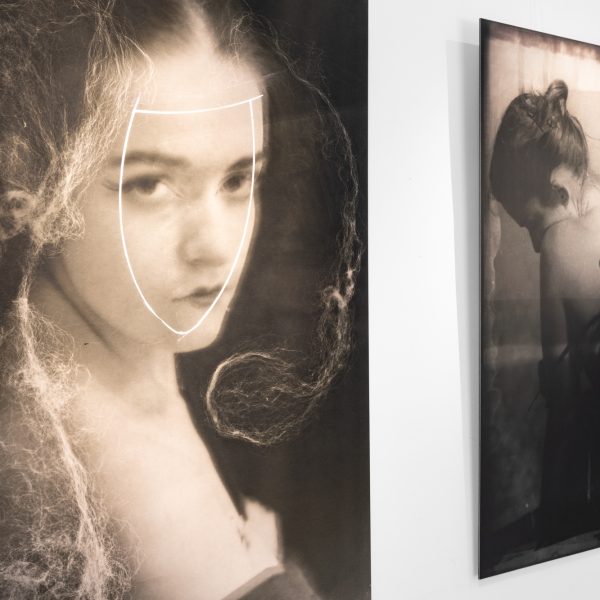
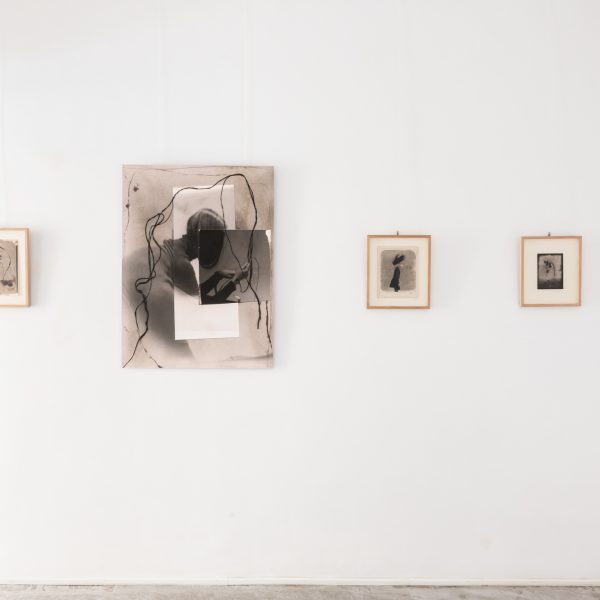
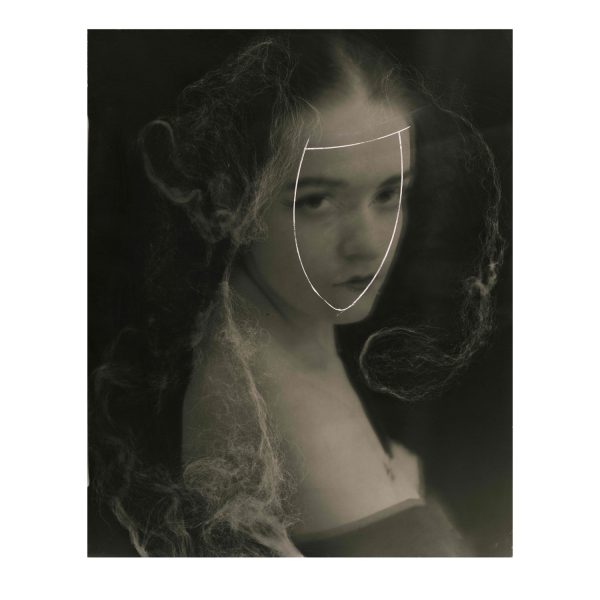
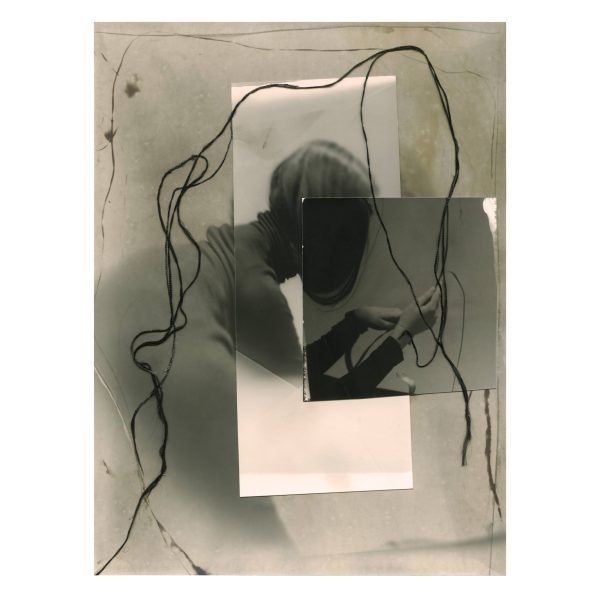
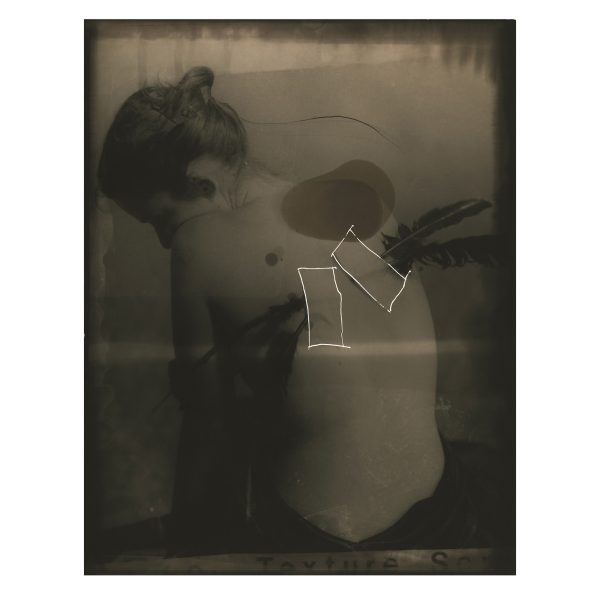
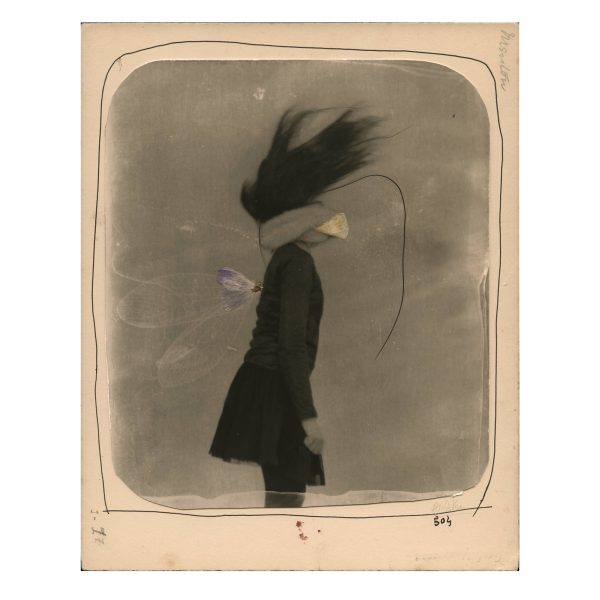
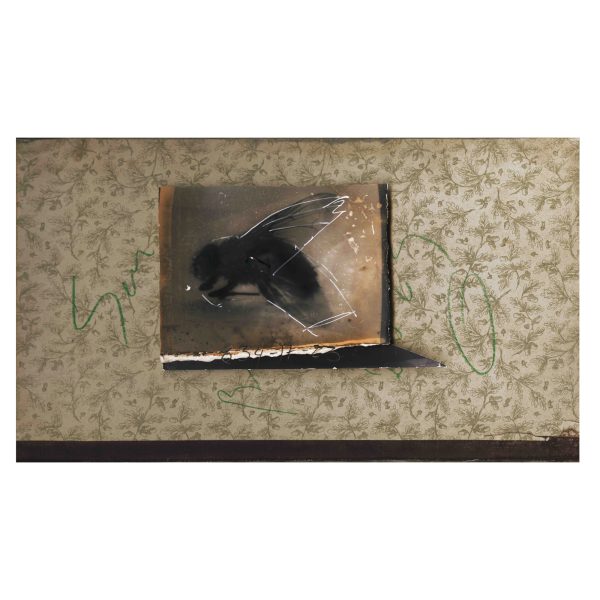
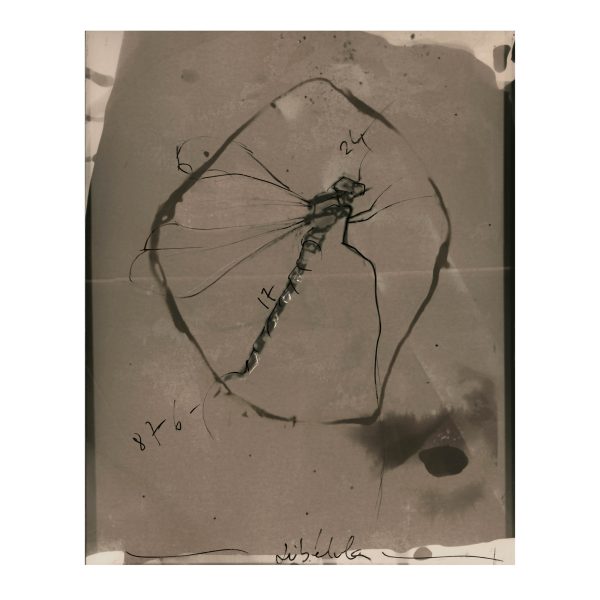
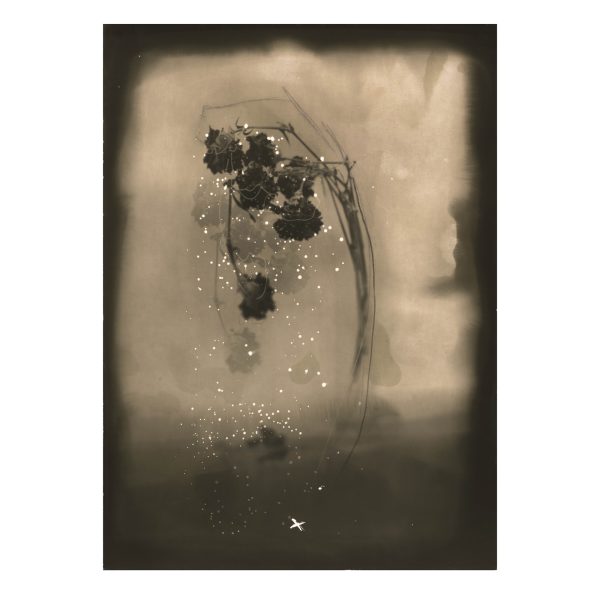
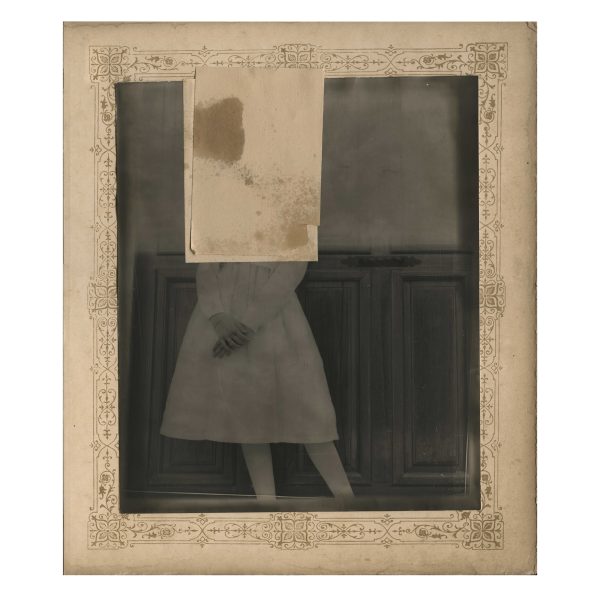
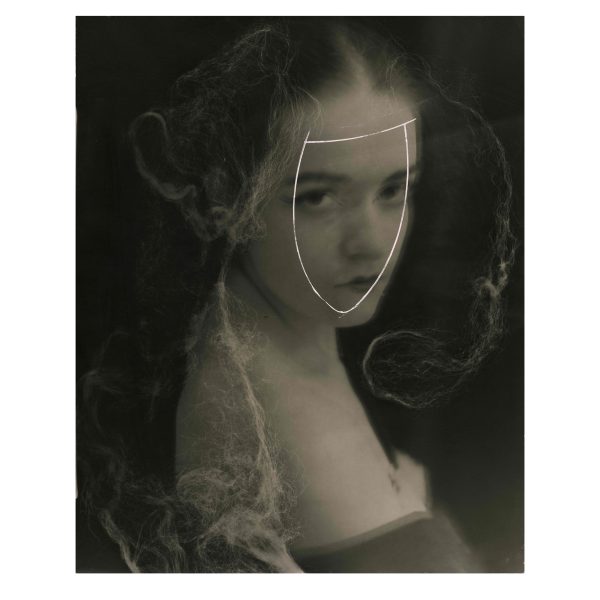
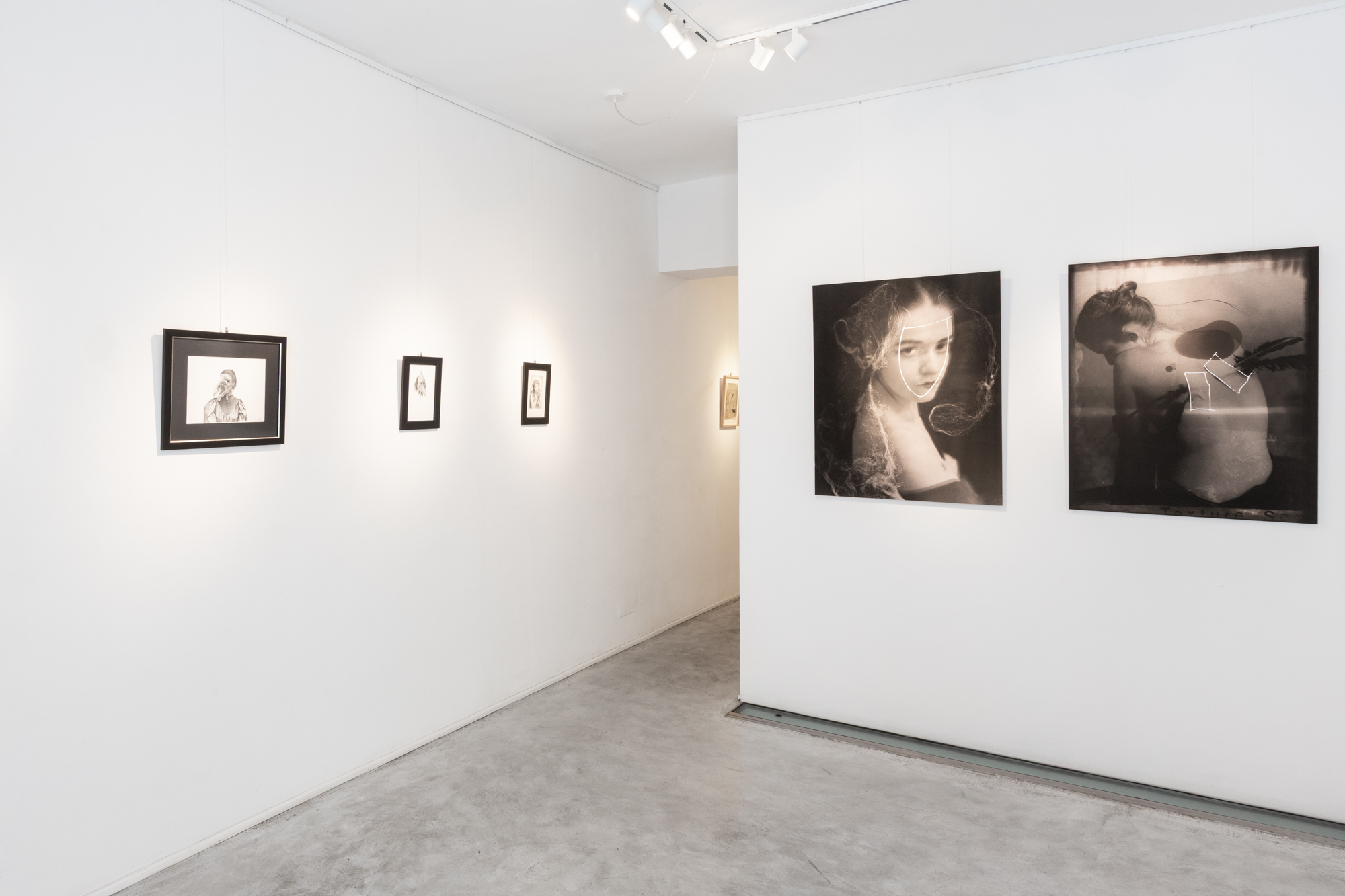
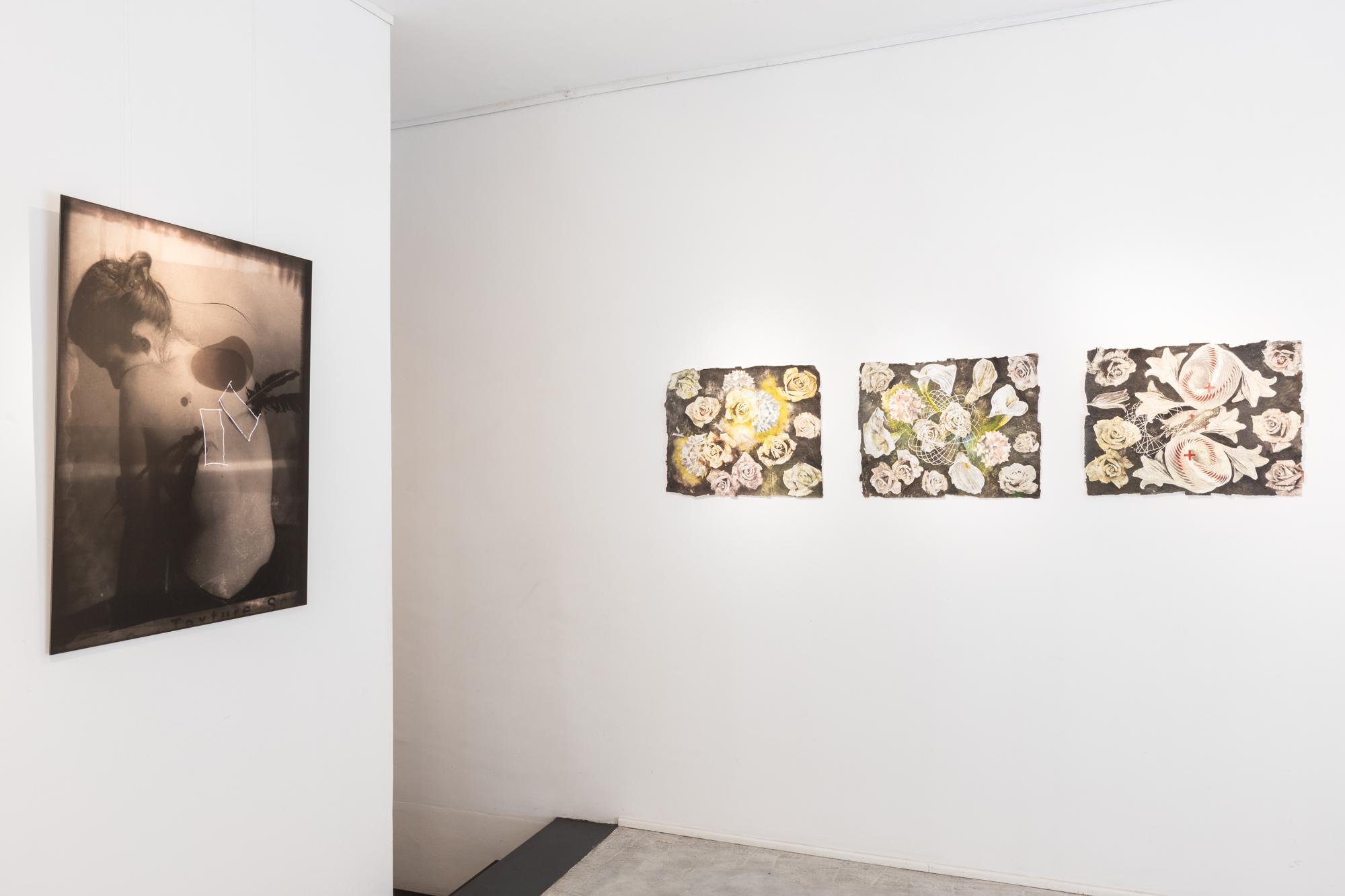
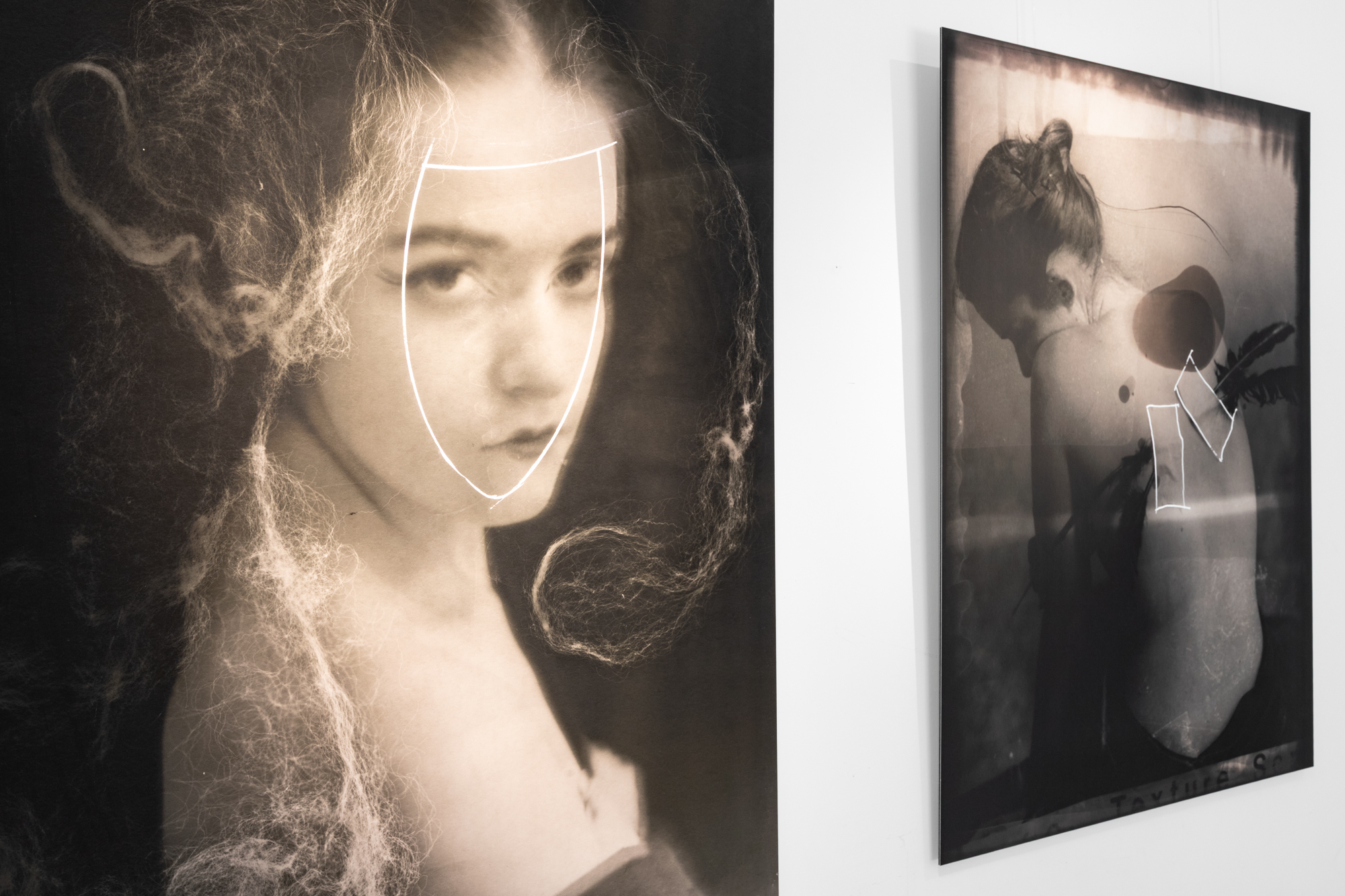
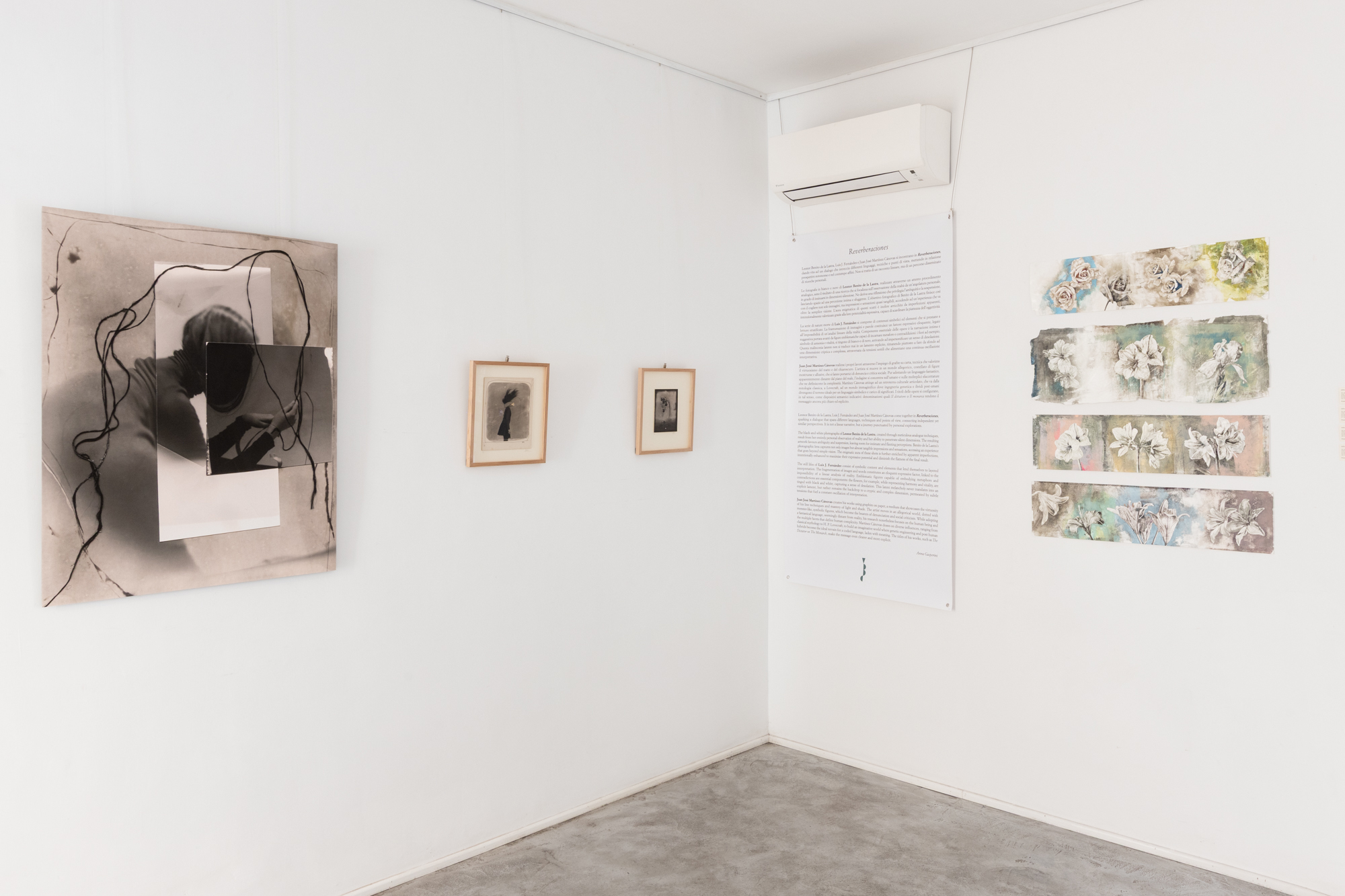
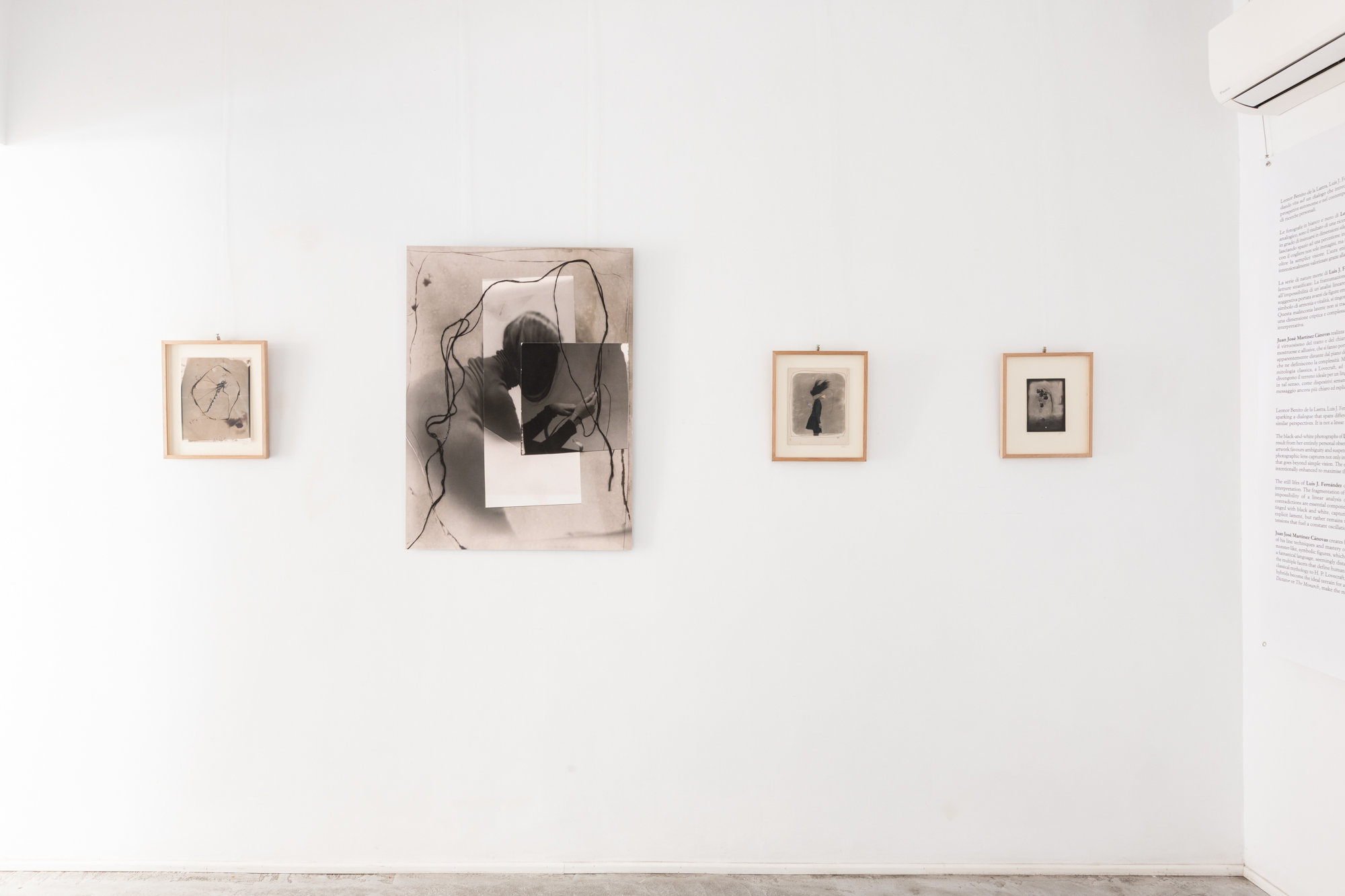
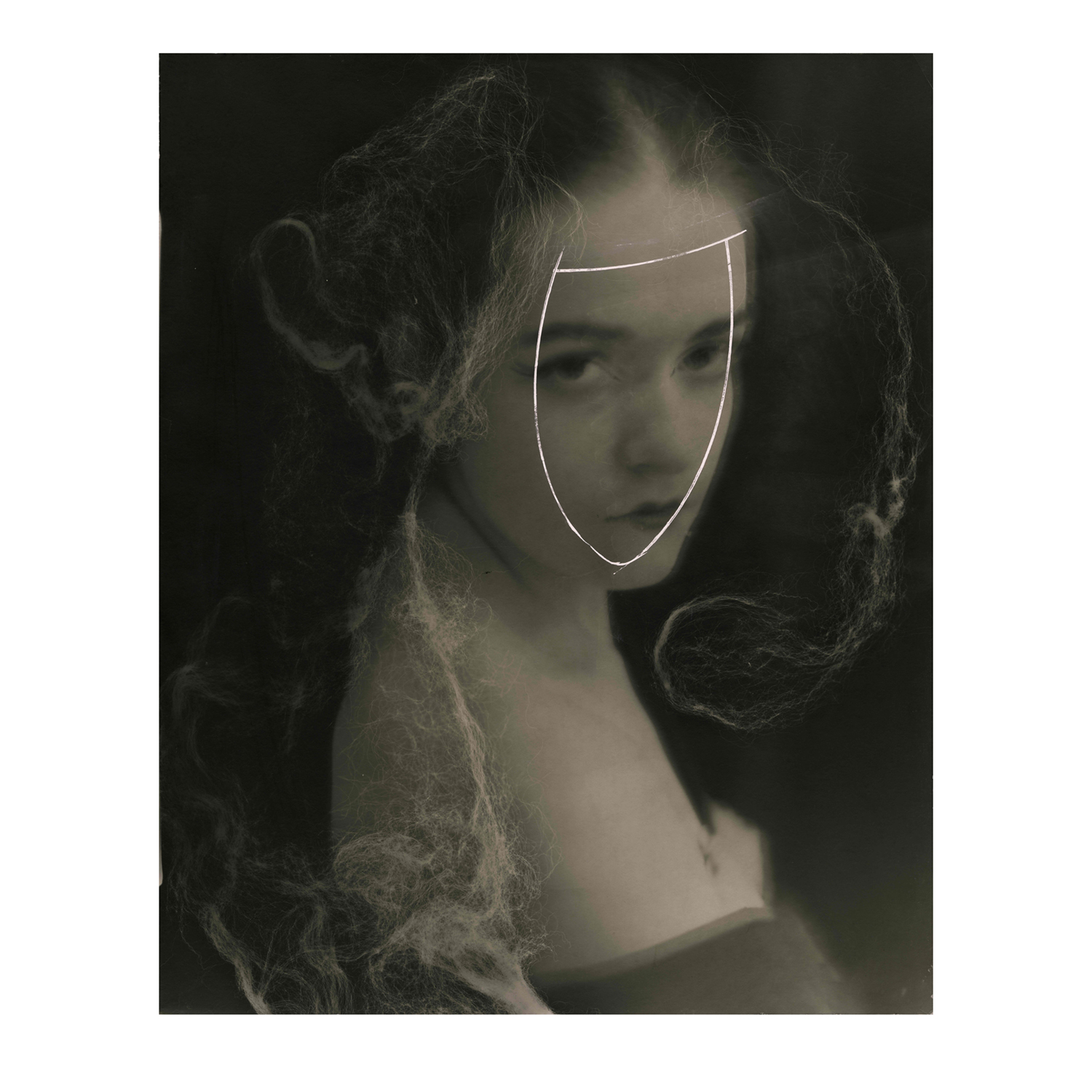
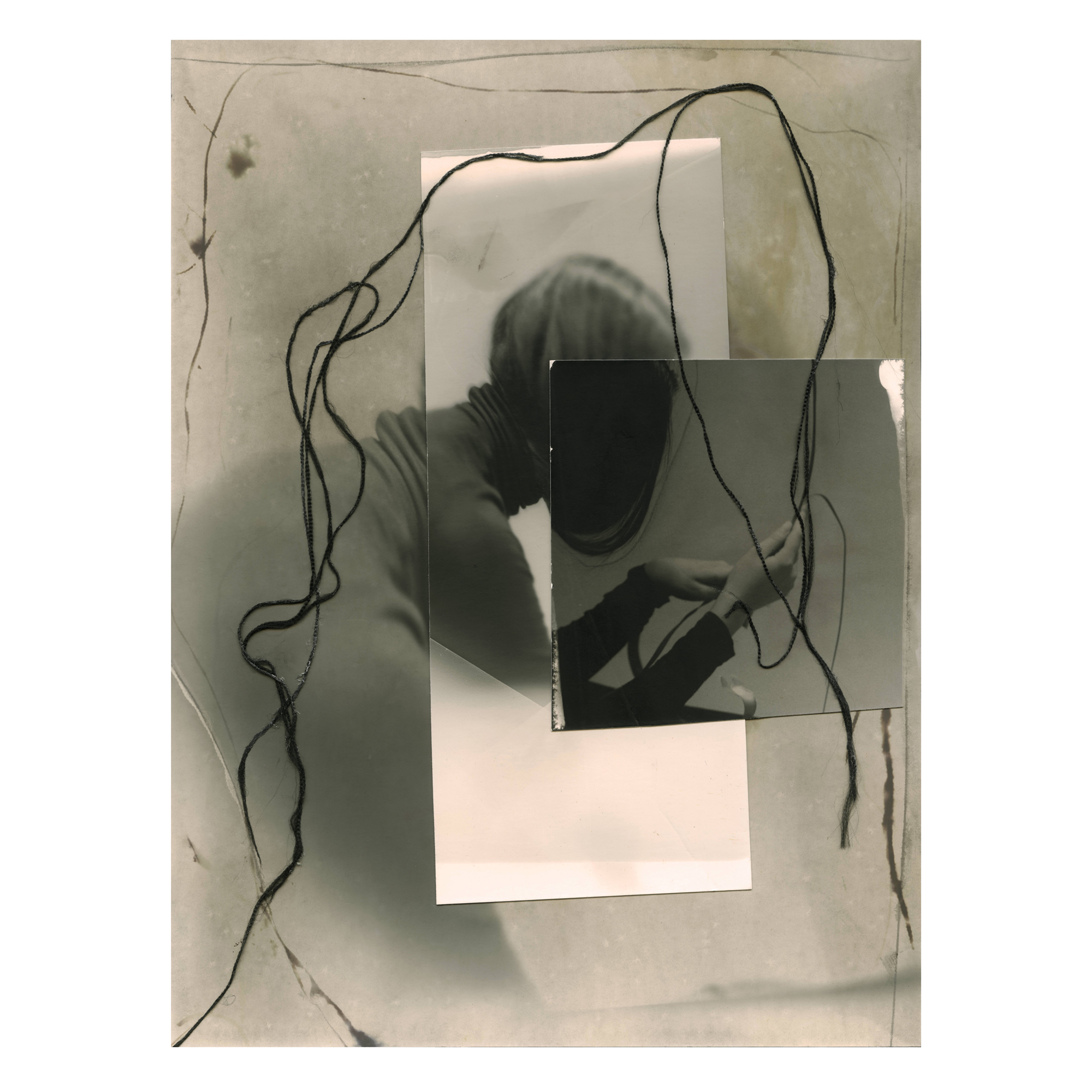
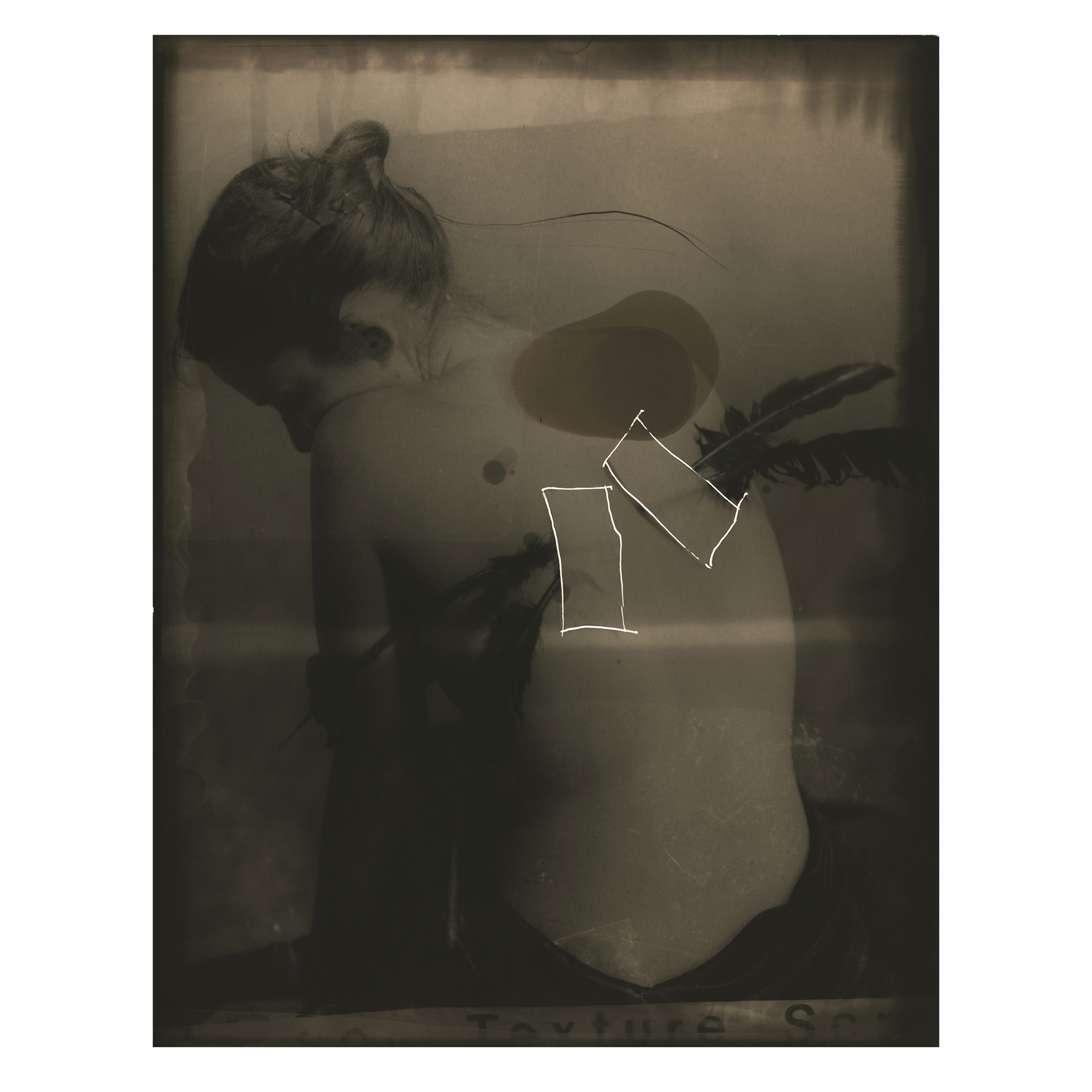
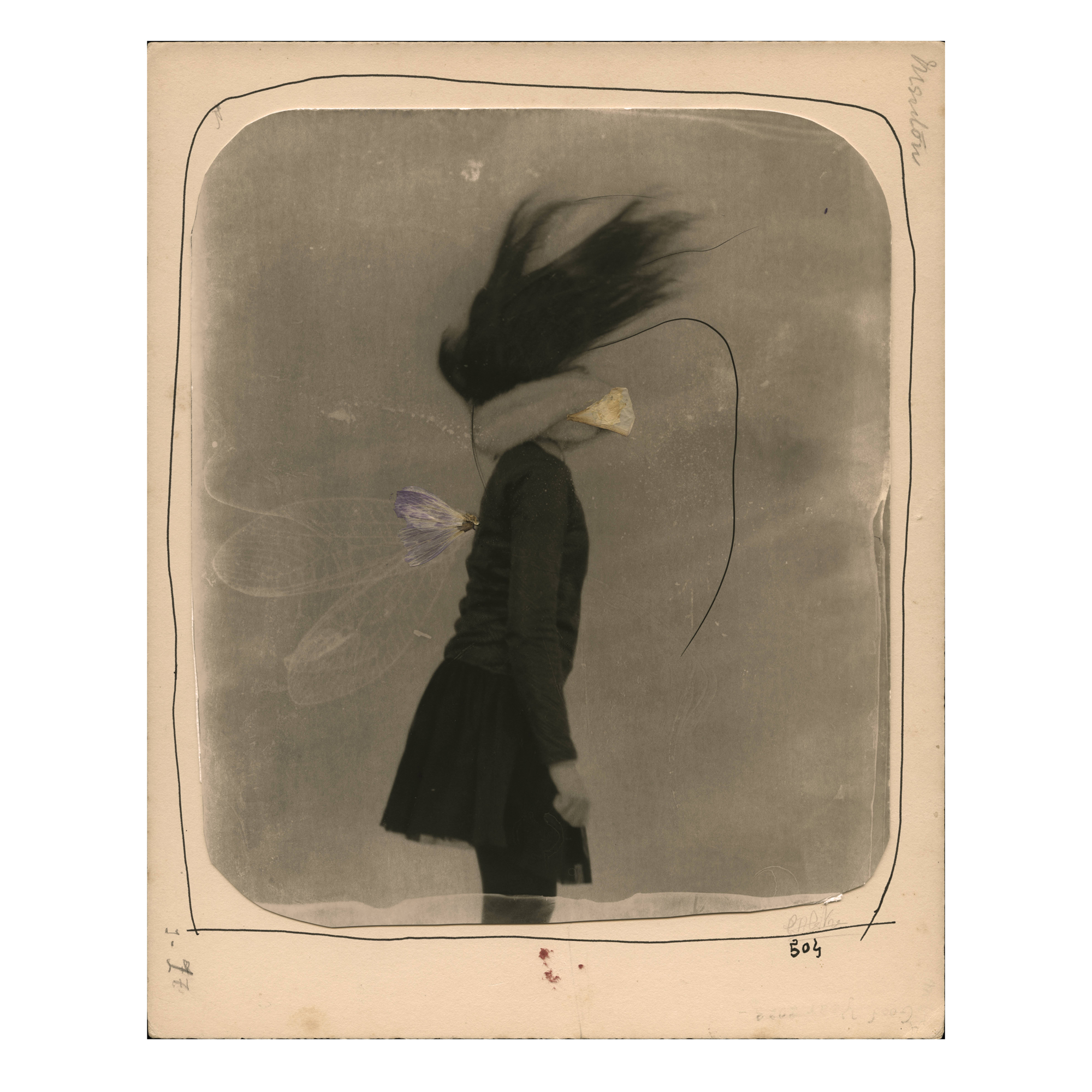
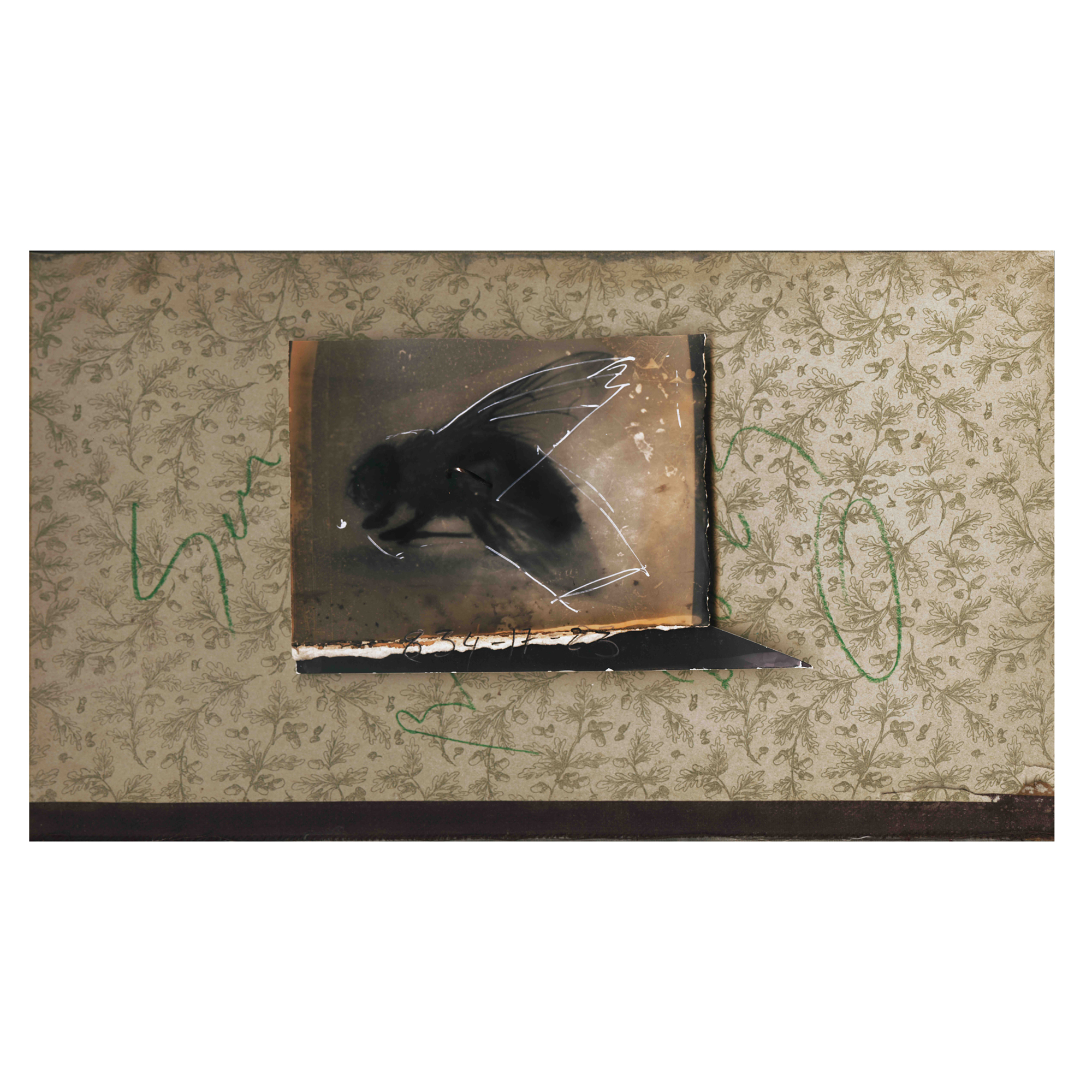
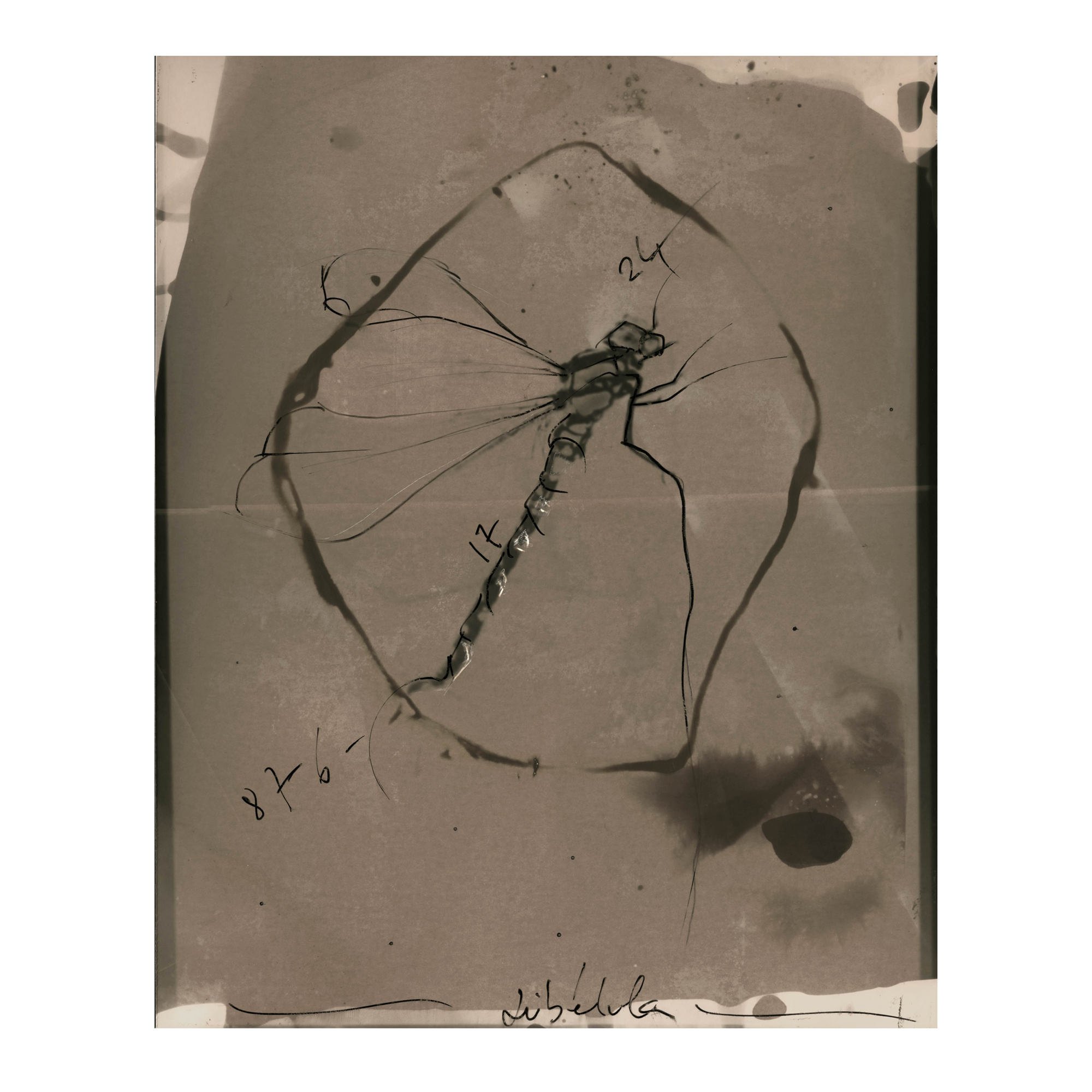
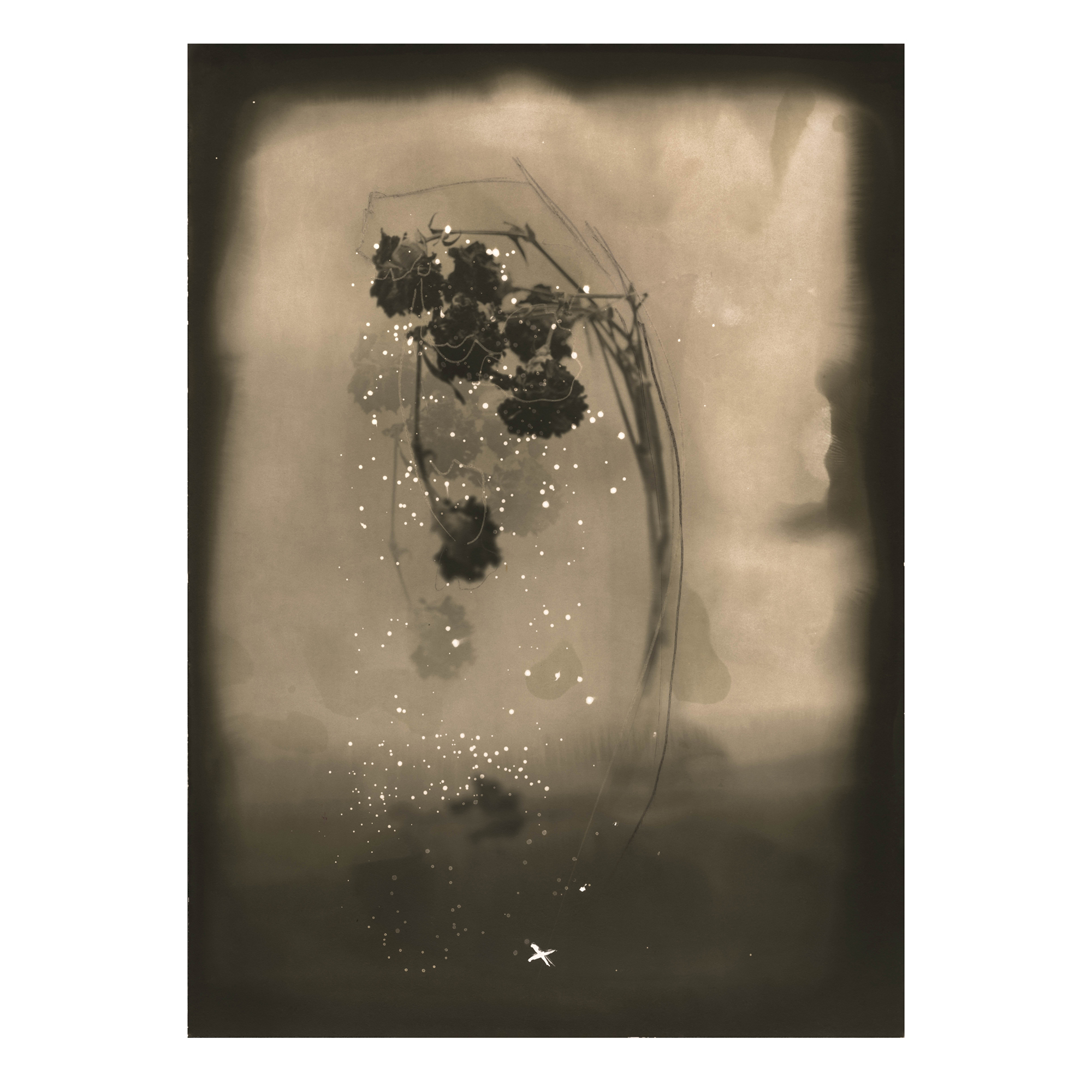
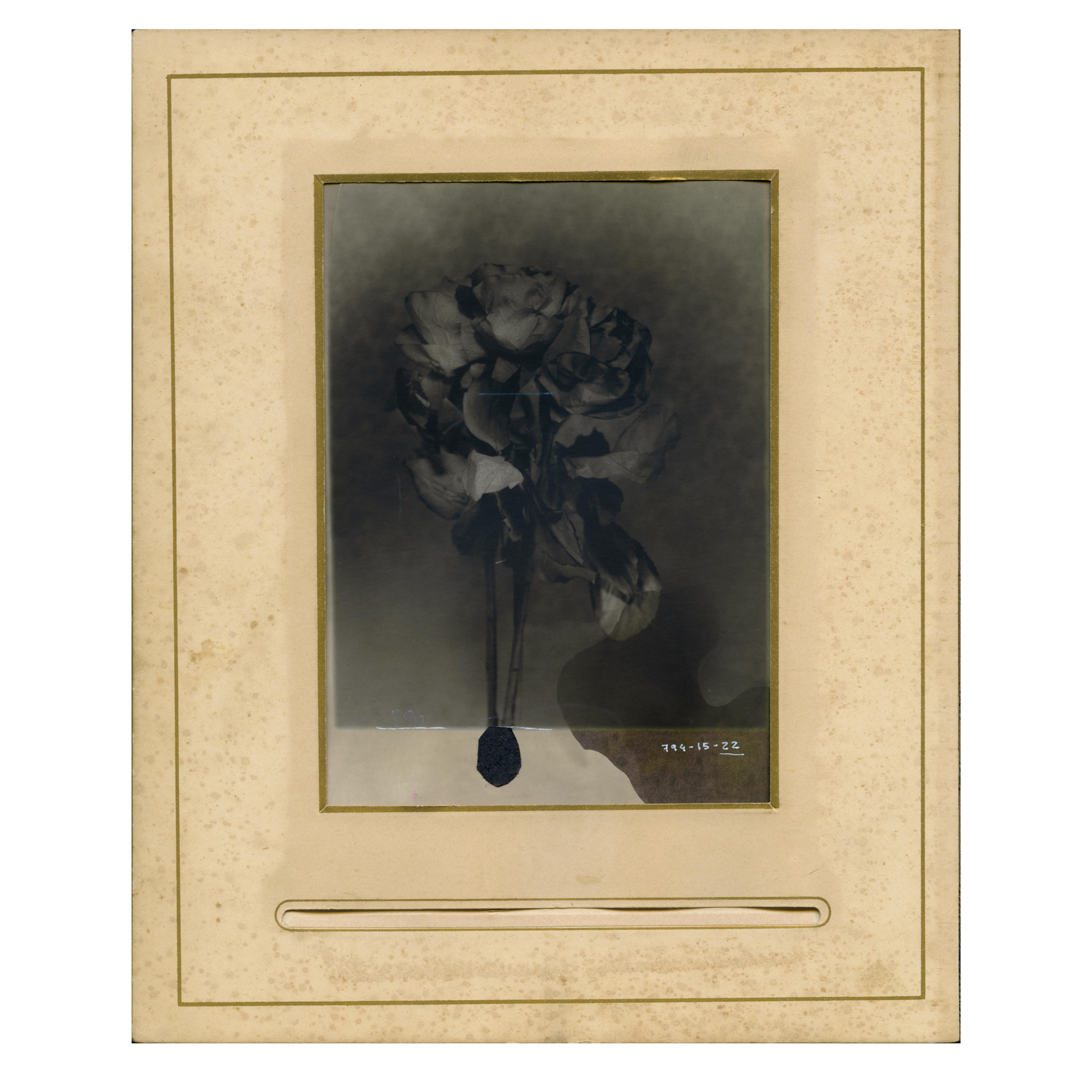
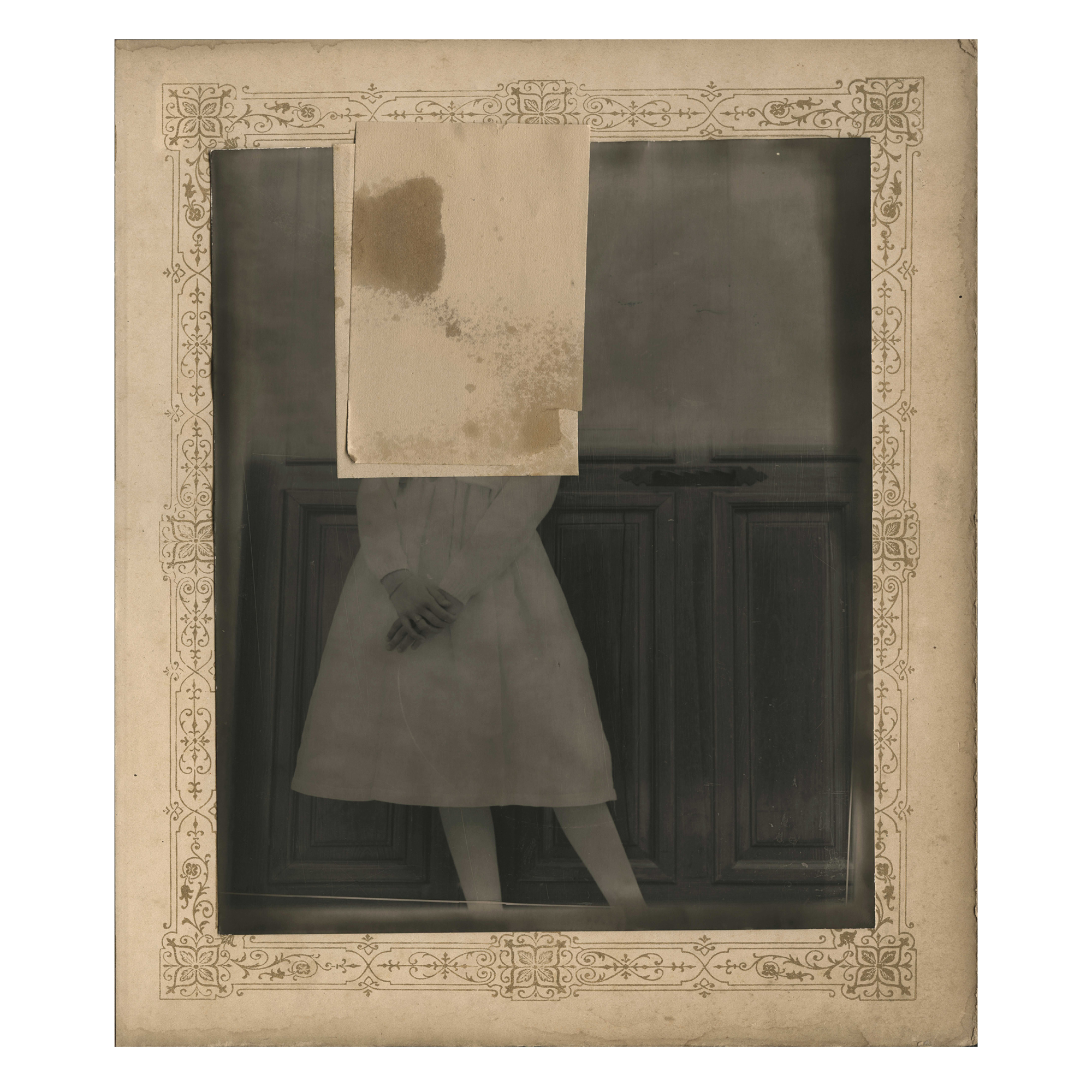
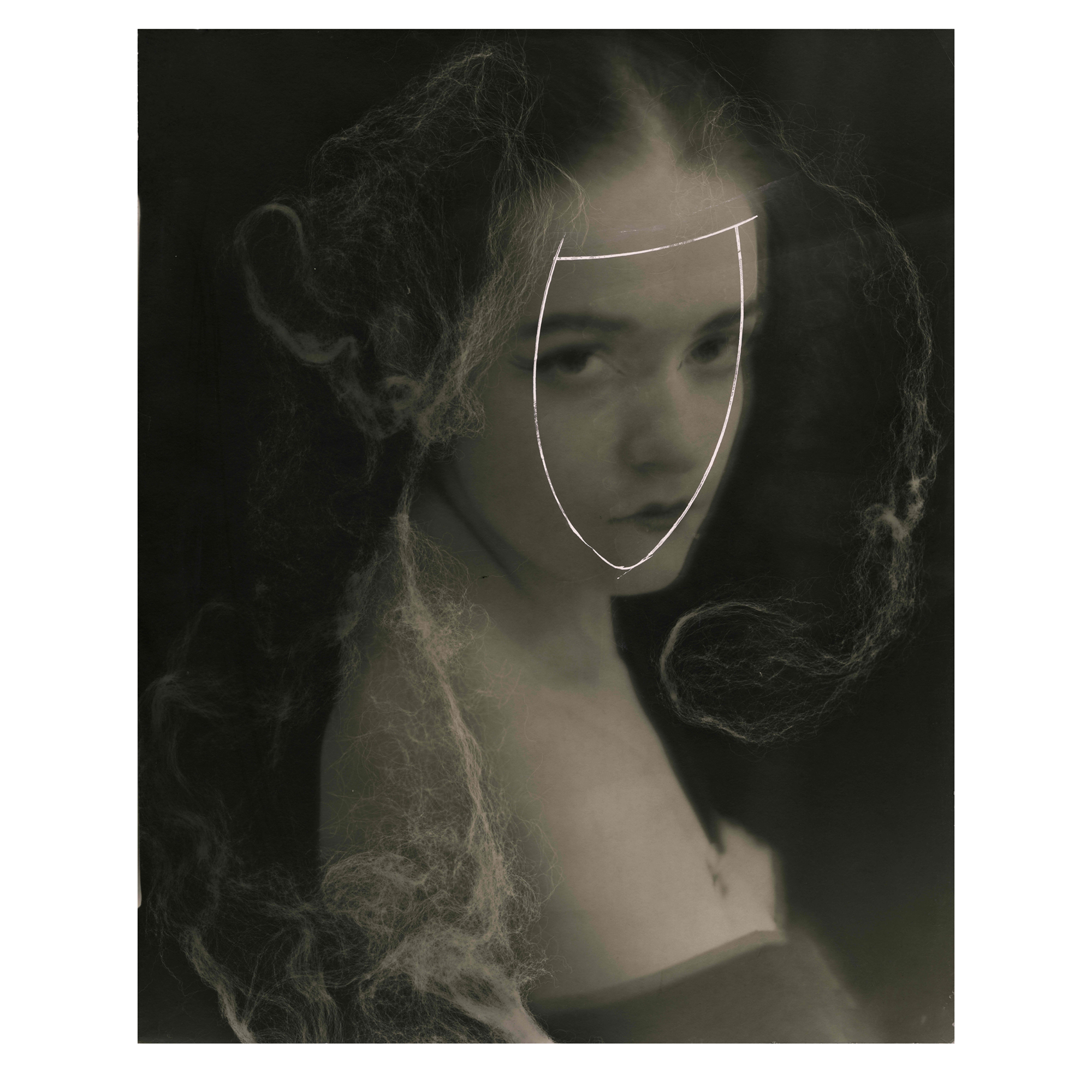
The black-and-white photographs of Leonor Benito de la Lastra, which are being shown in Italy for the very first time, possess a powerful poetic impact. Created using analogue techniques as well as experimental chemical processes, these photographs appear as enigmatic fragments, intimate and evocative, and linger in the mind’s eye long after one has walked away.
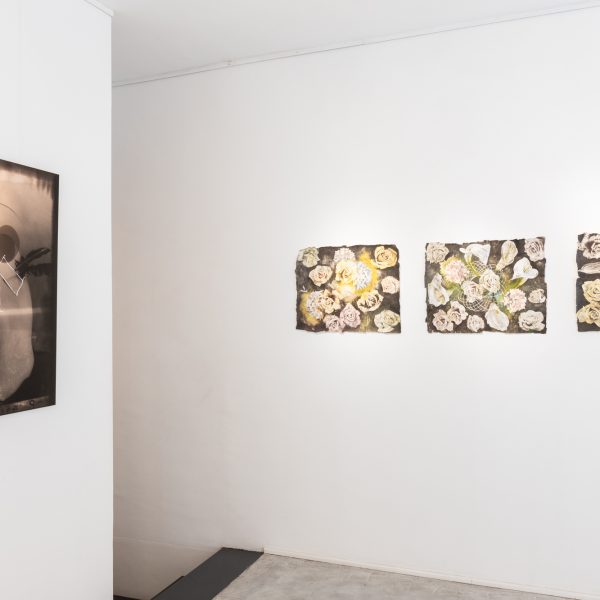
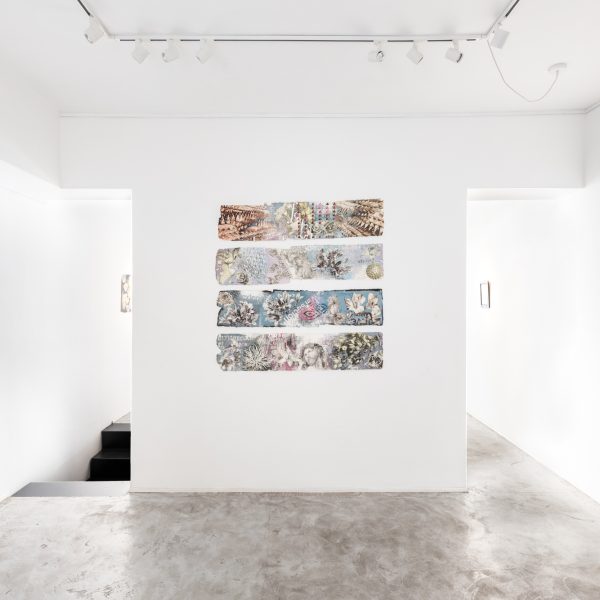
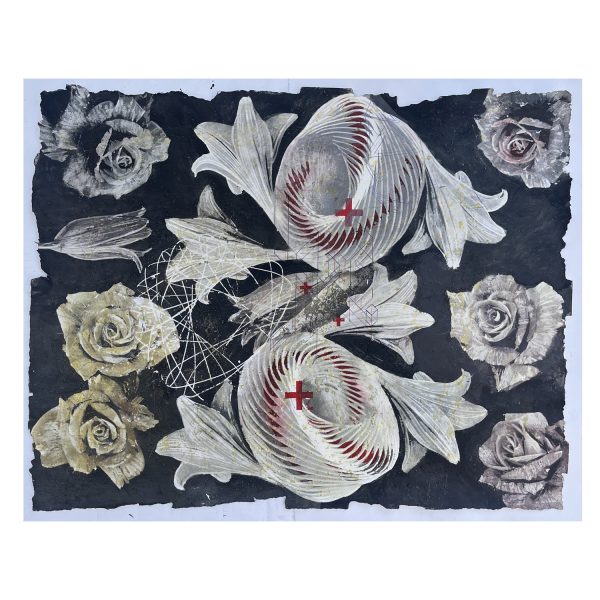
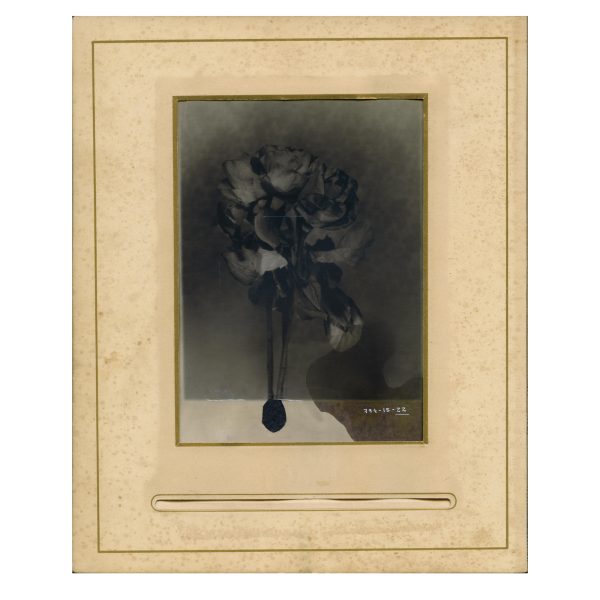
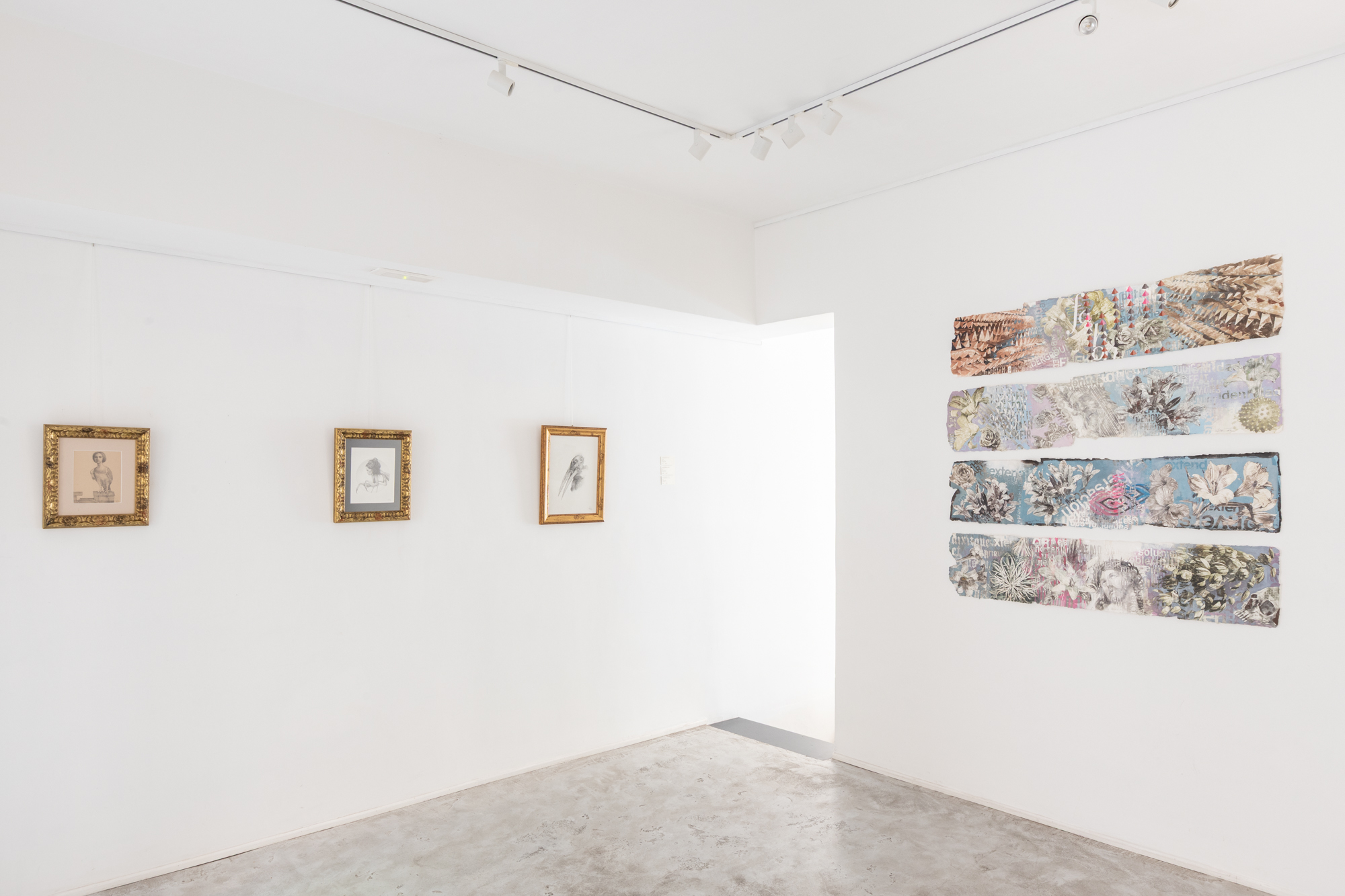
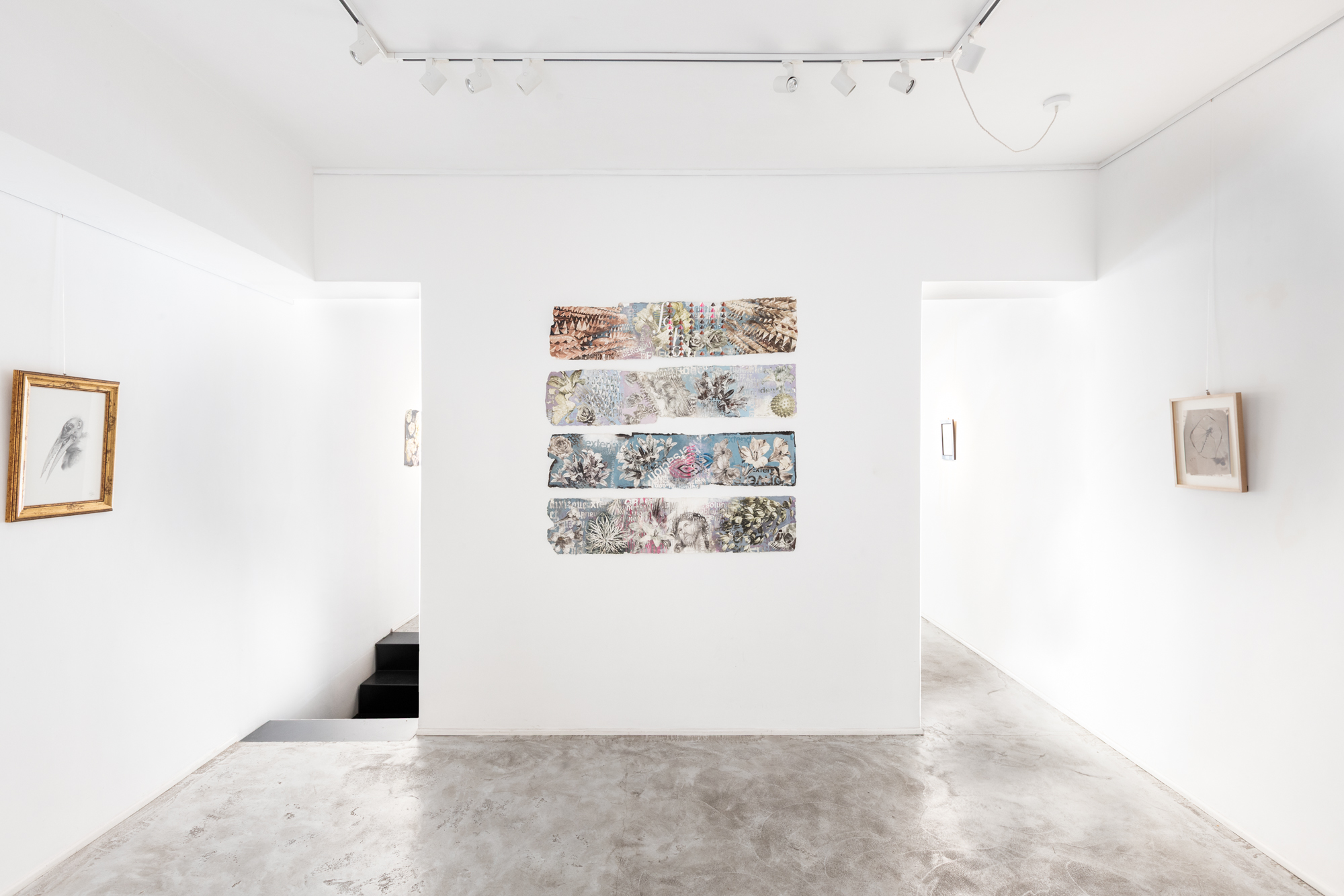
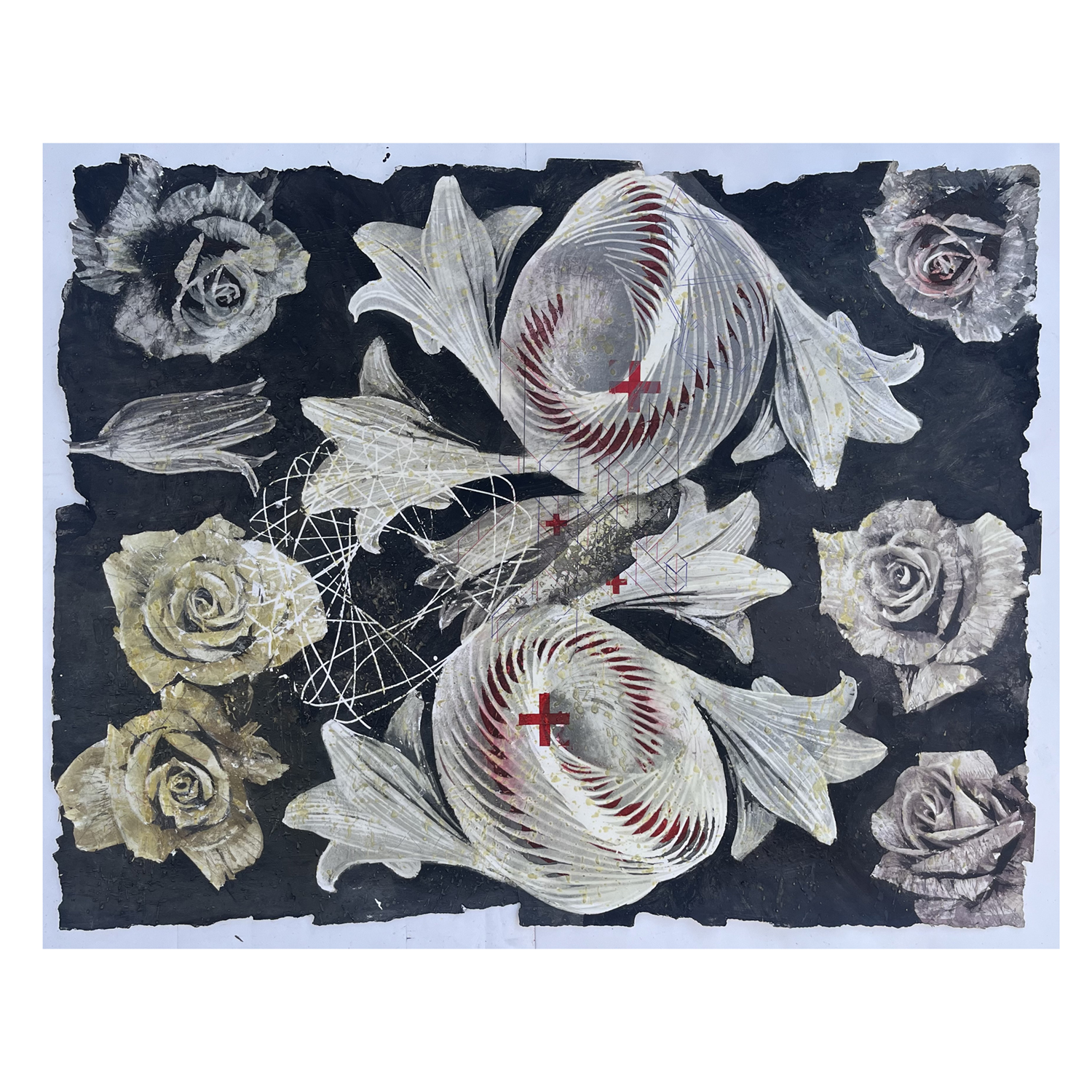
In the still lifes presented by Luis J. Fernández, the artist is intent on creating a space for the convergence between image and thought, suggesting a layered reading that juxtaposes vital symbols like flowers with dissonant elements, such as the dark tones that dominate the compositions.
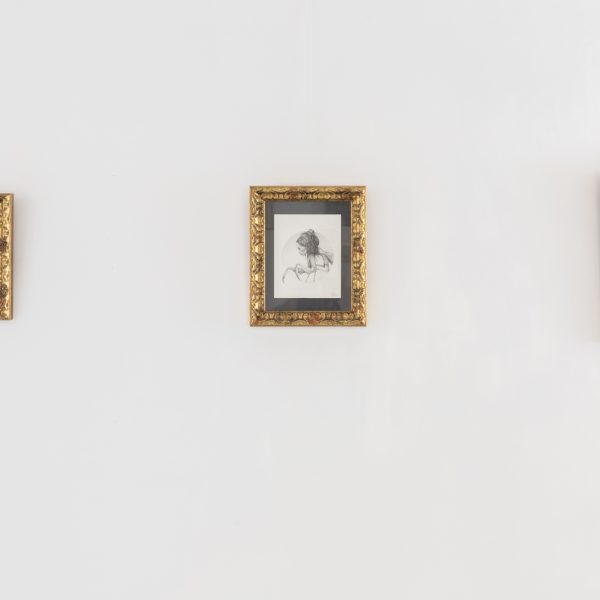
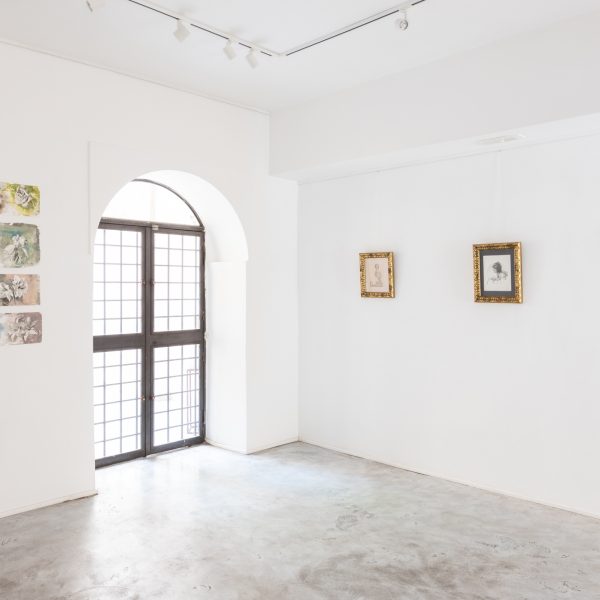
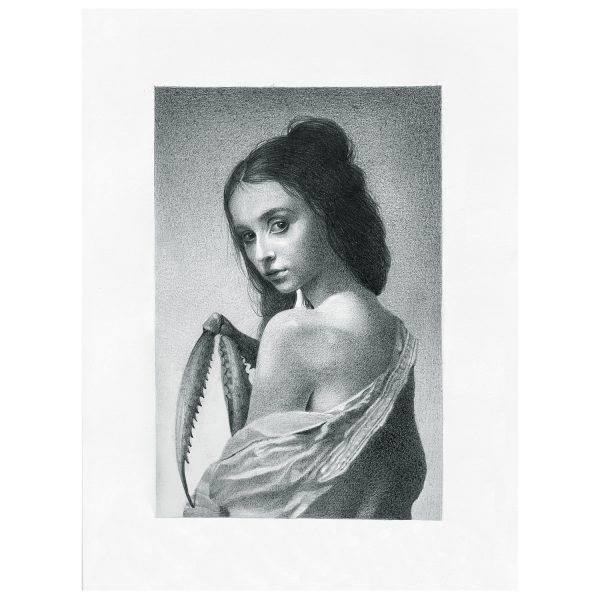
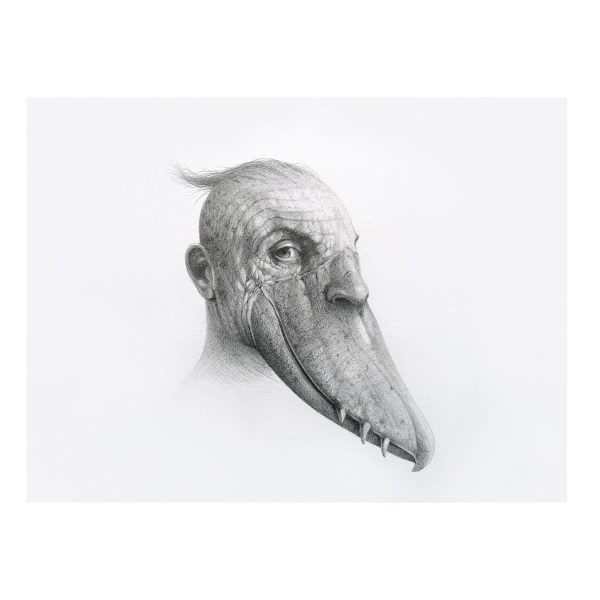
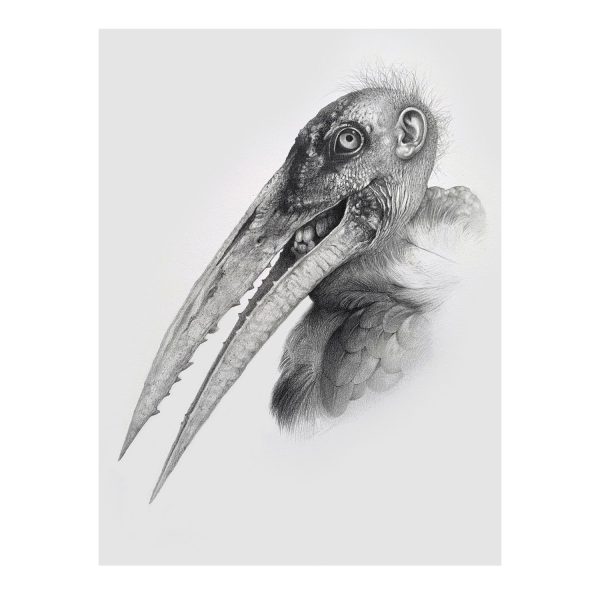
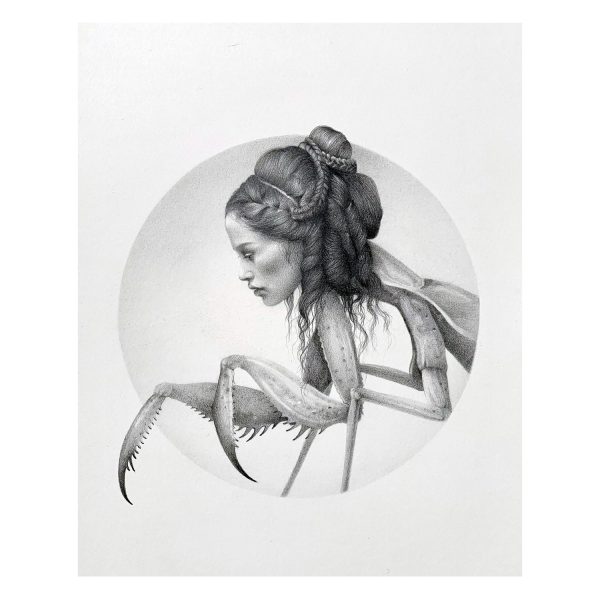
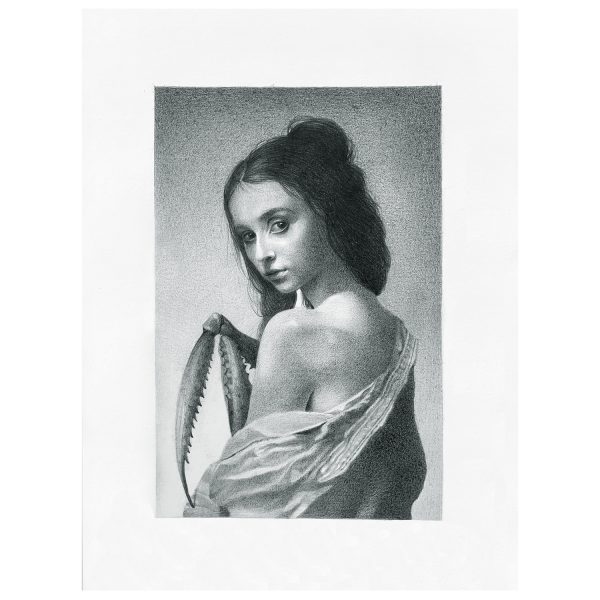
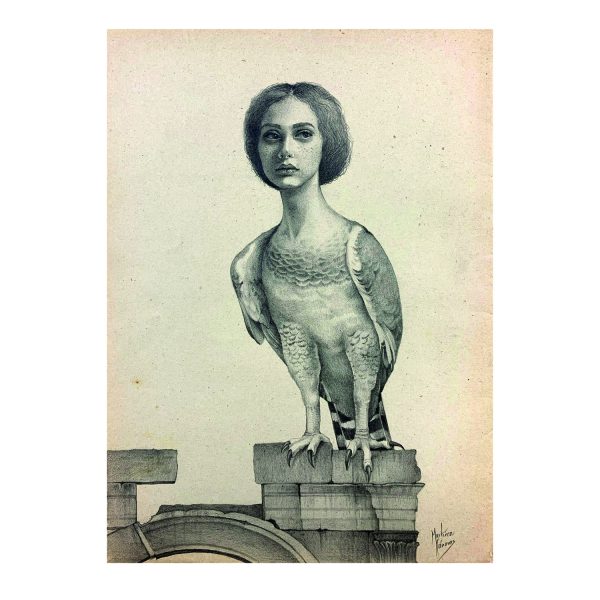
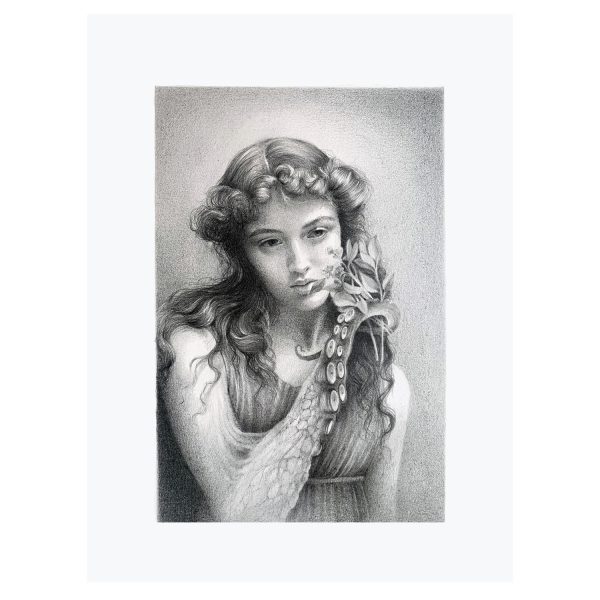
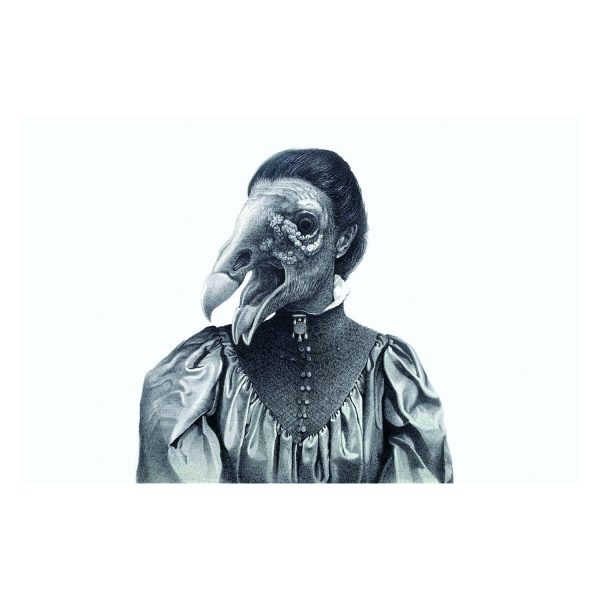
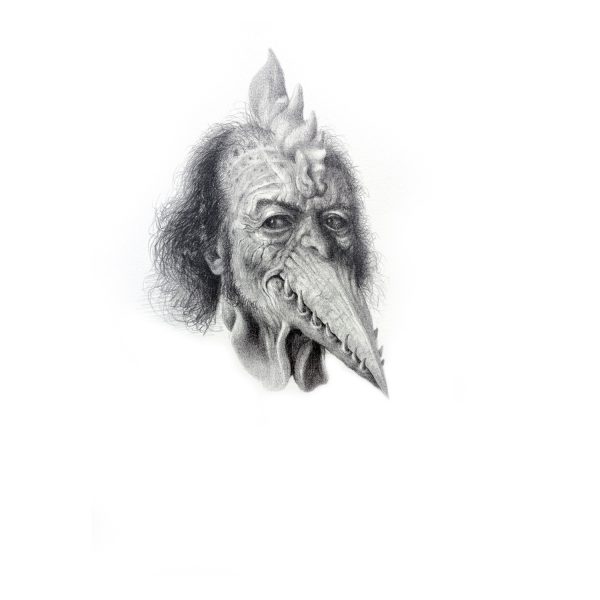
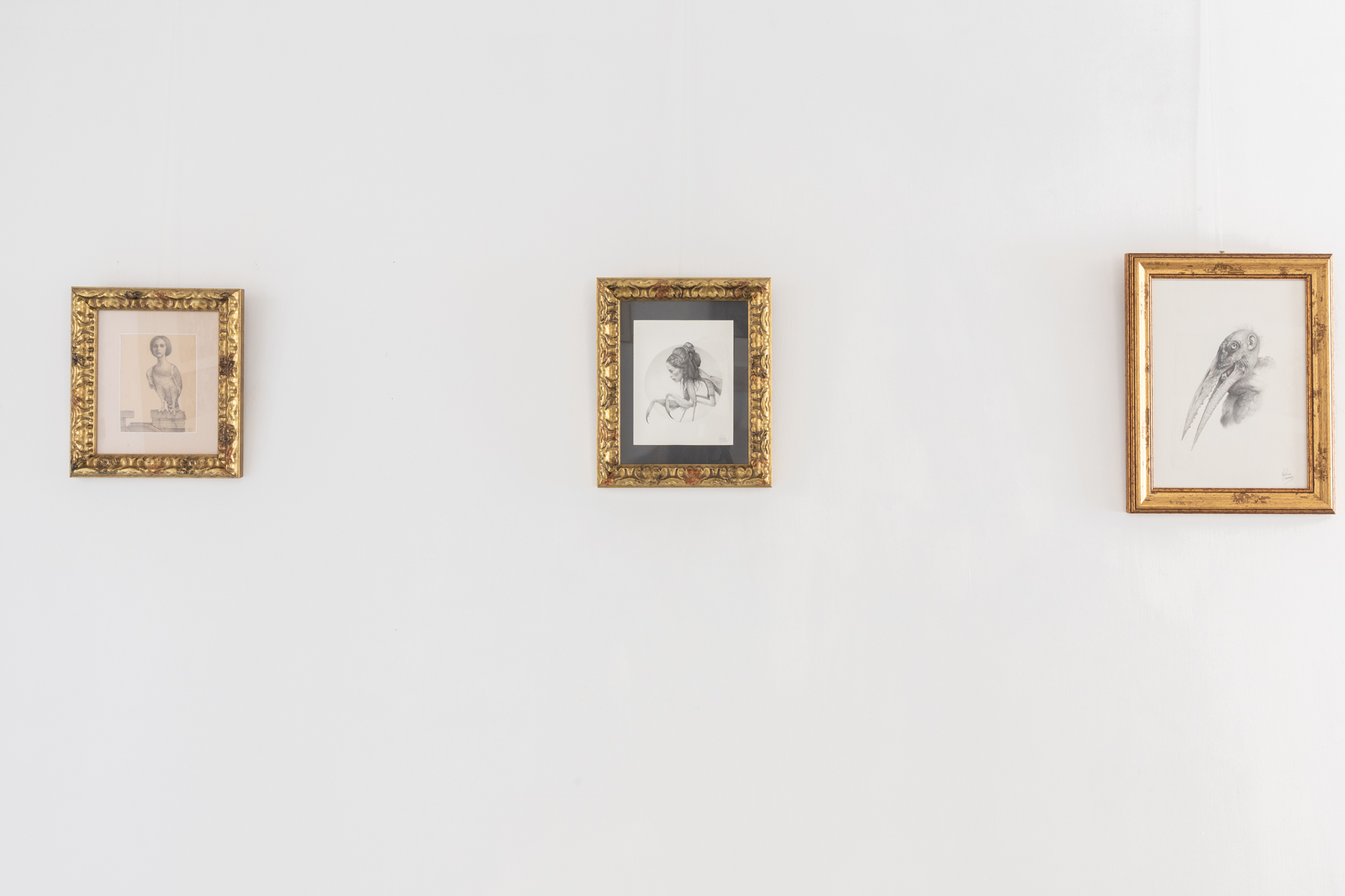
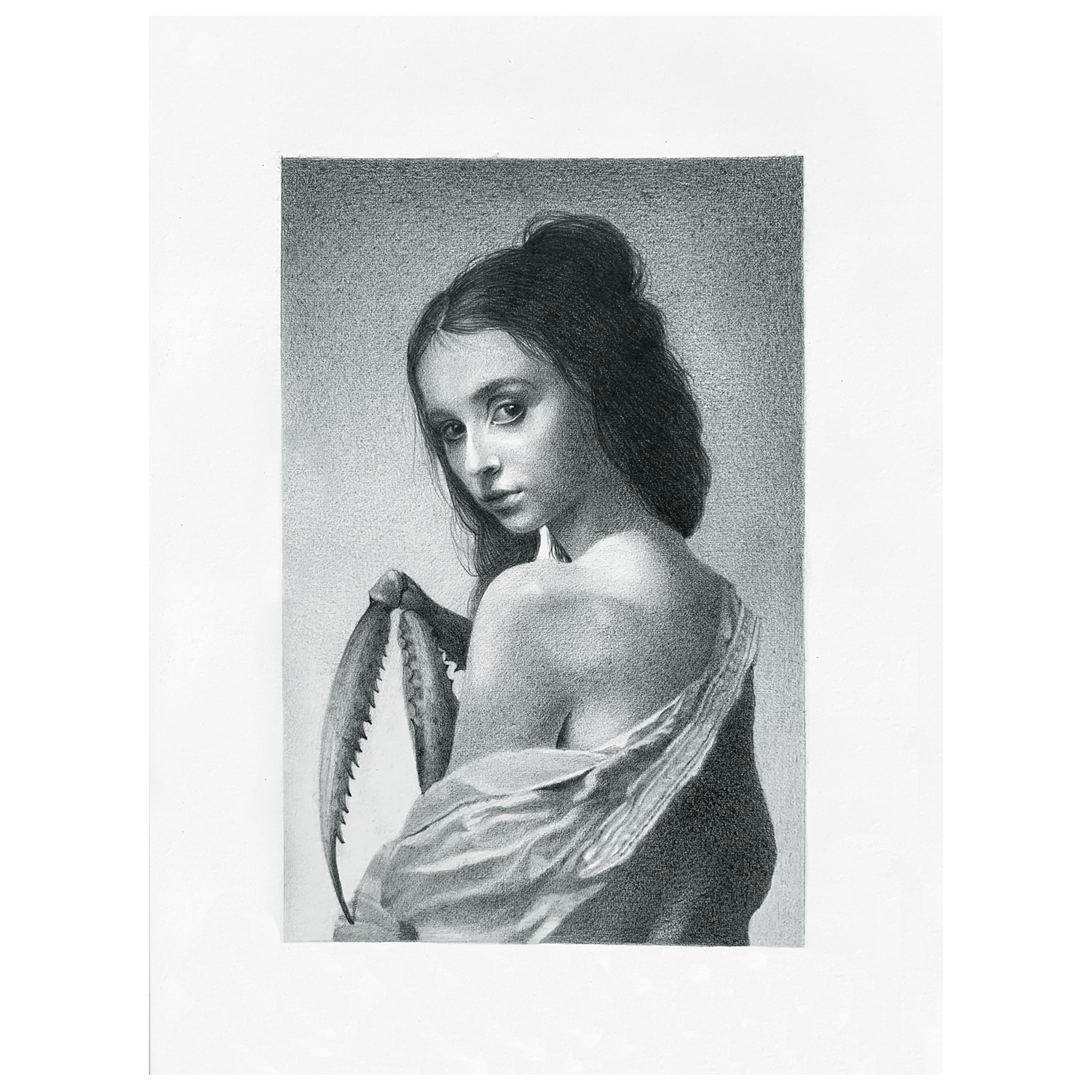
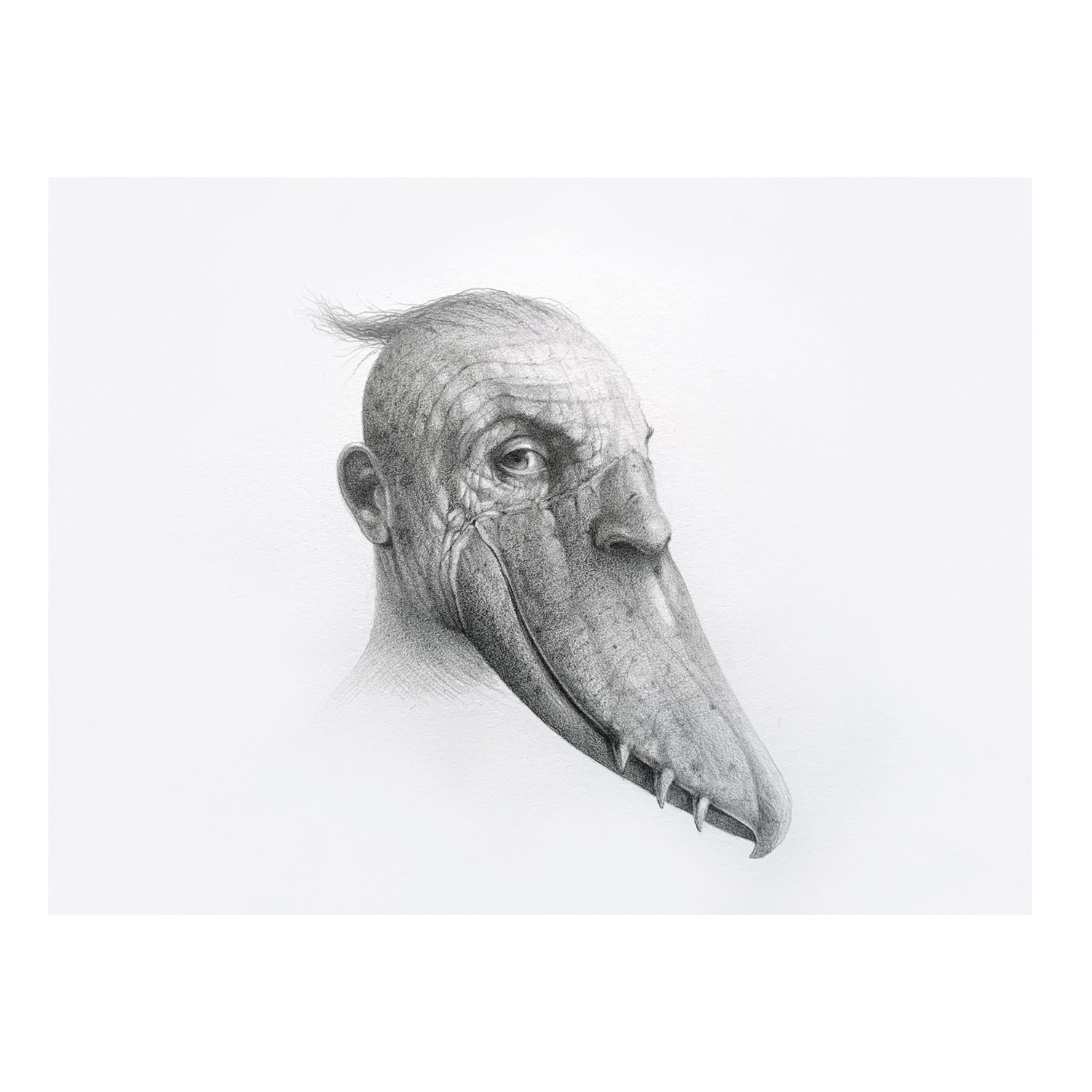
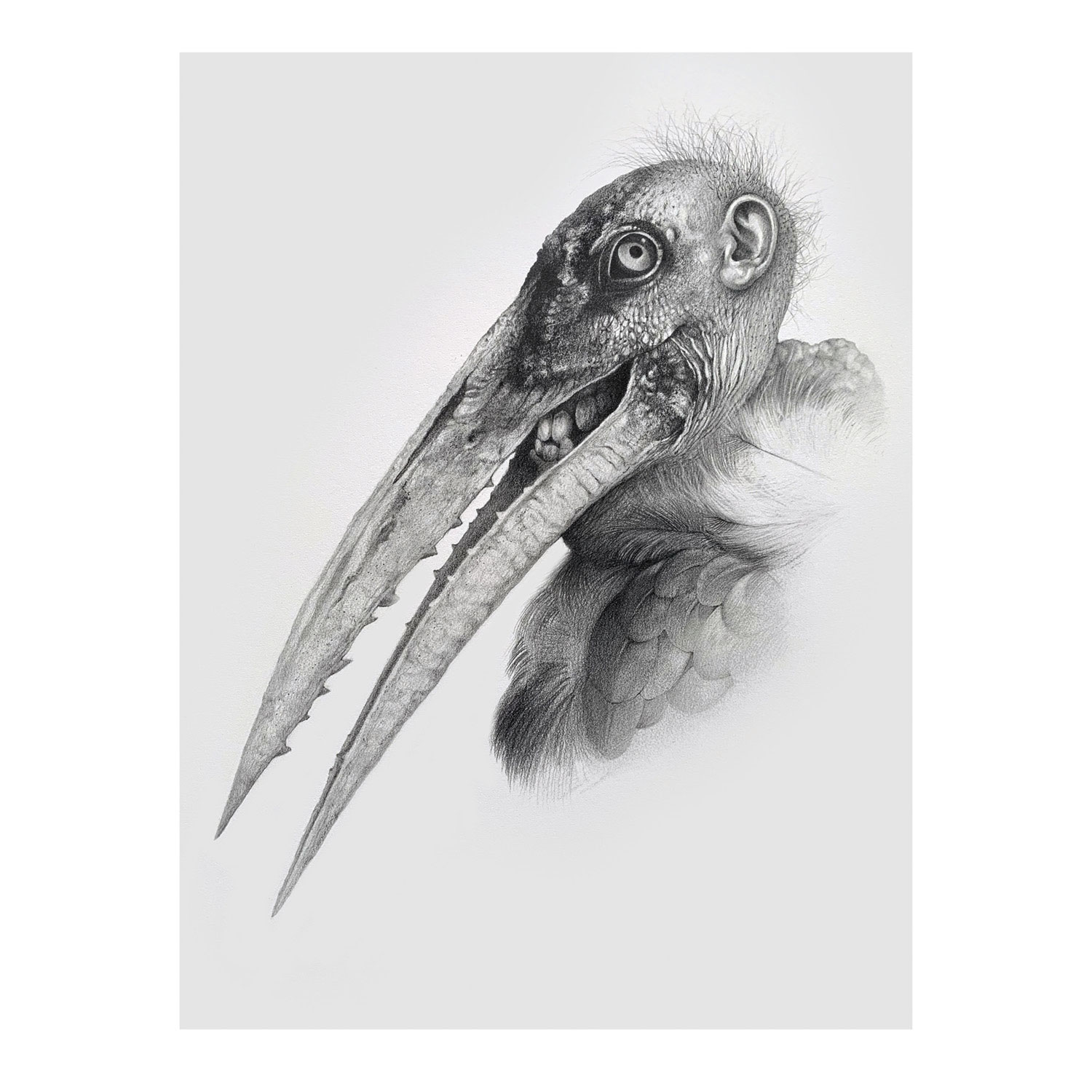
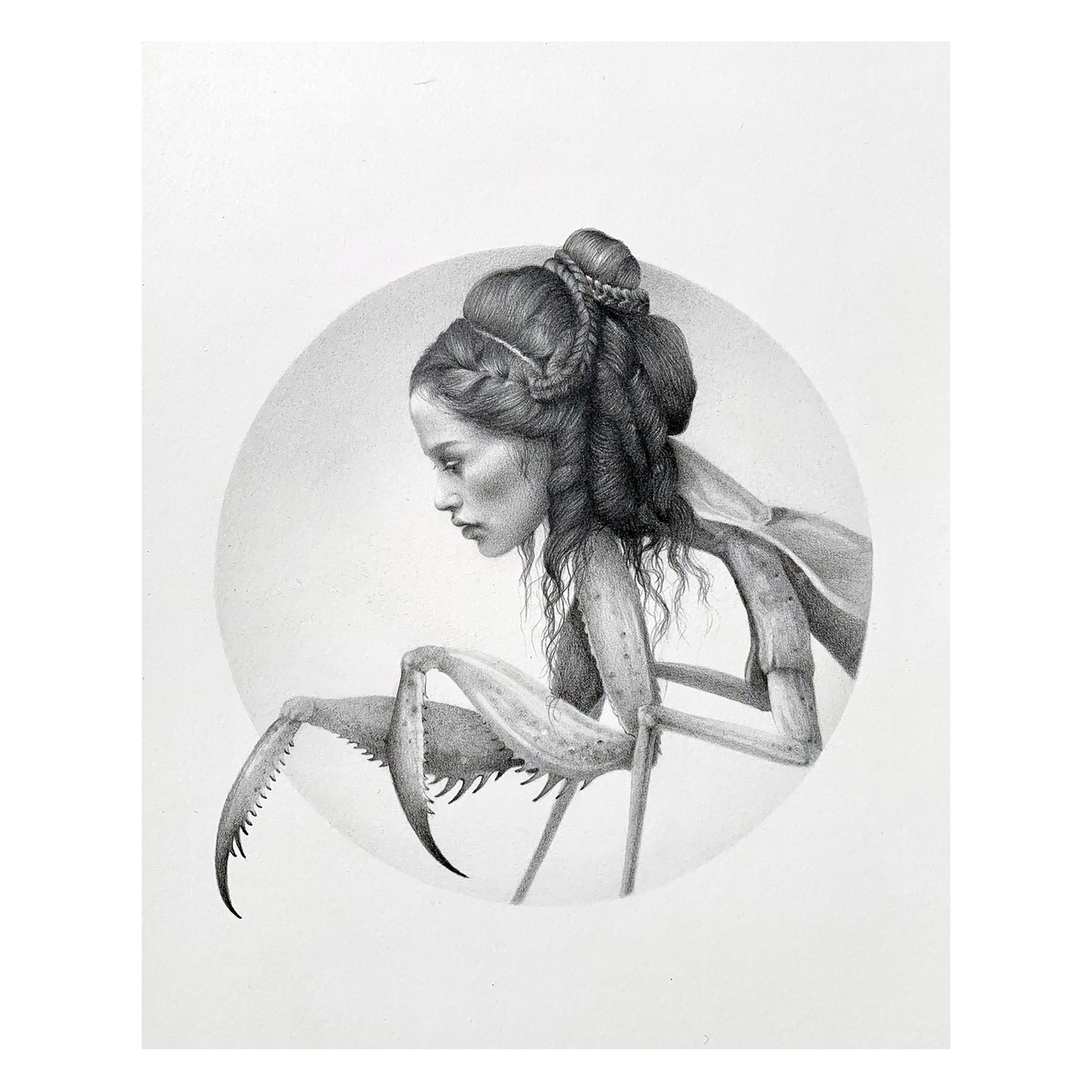
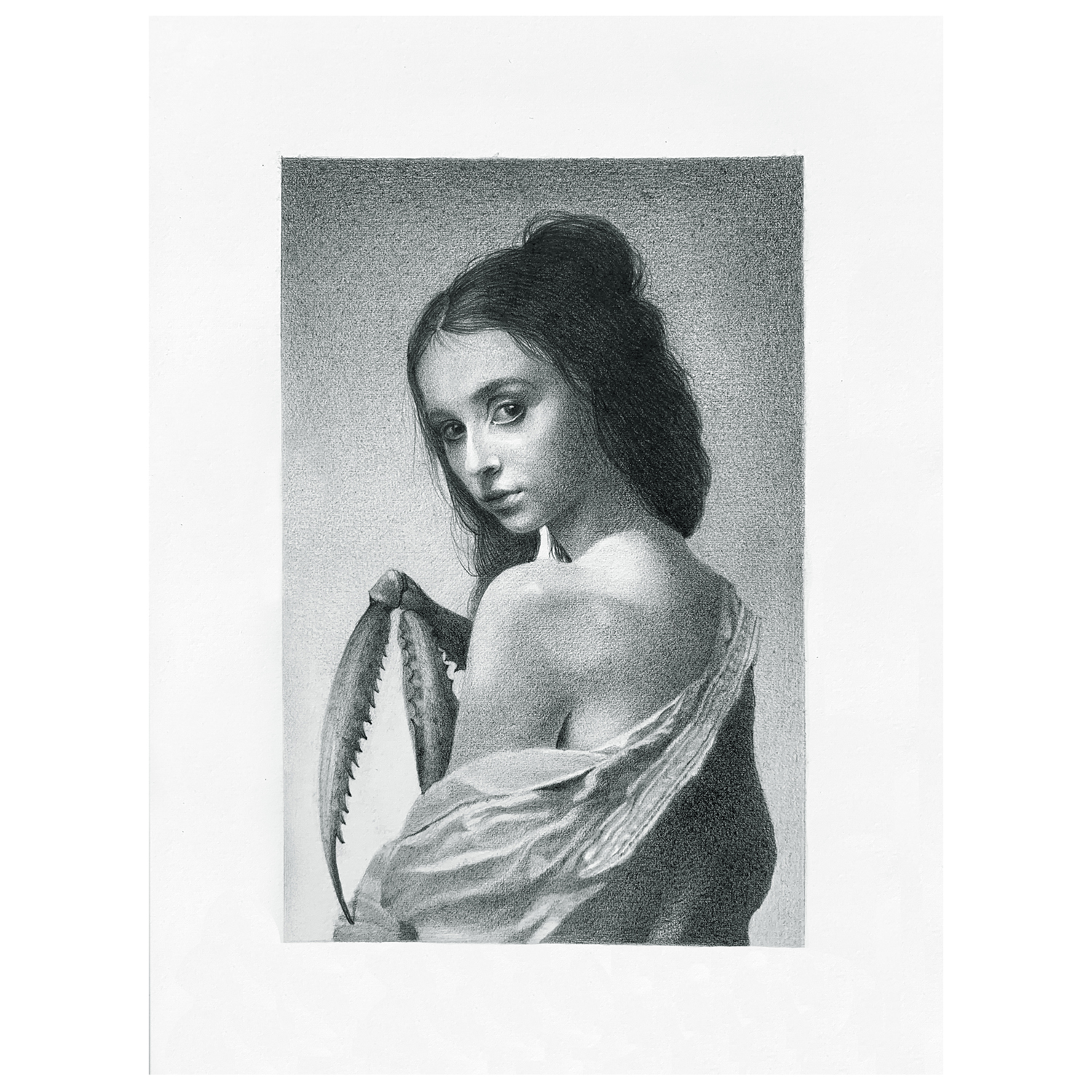
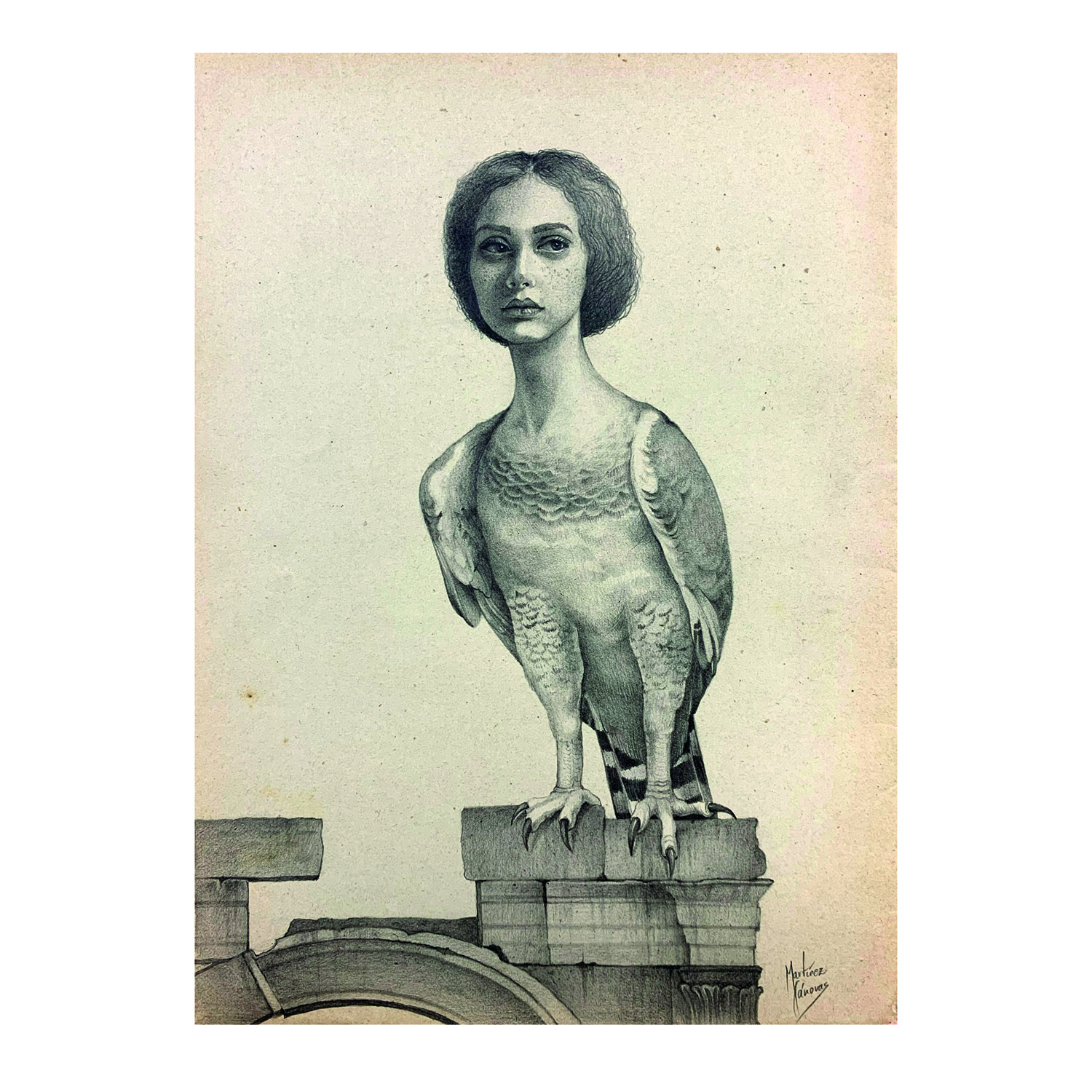
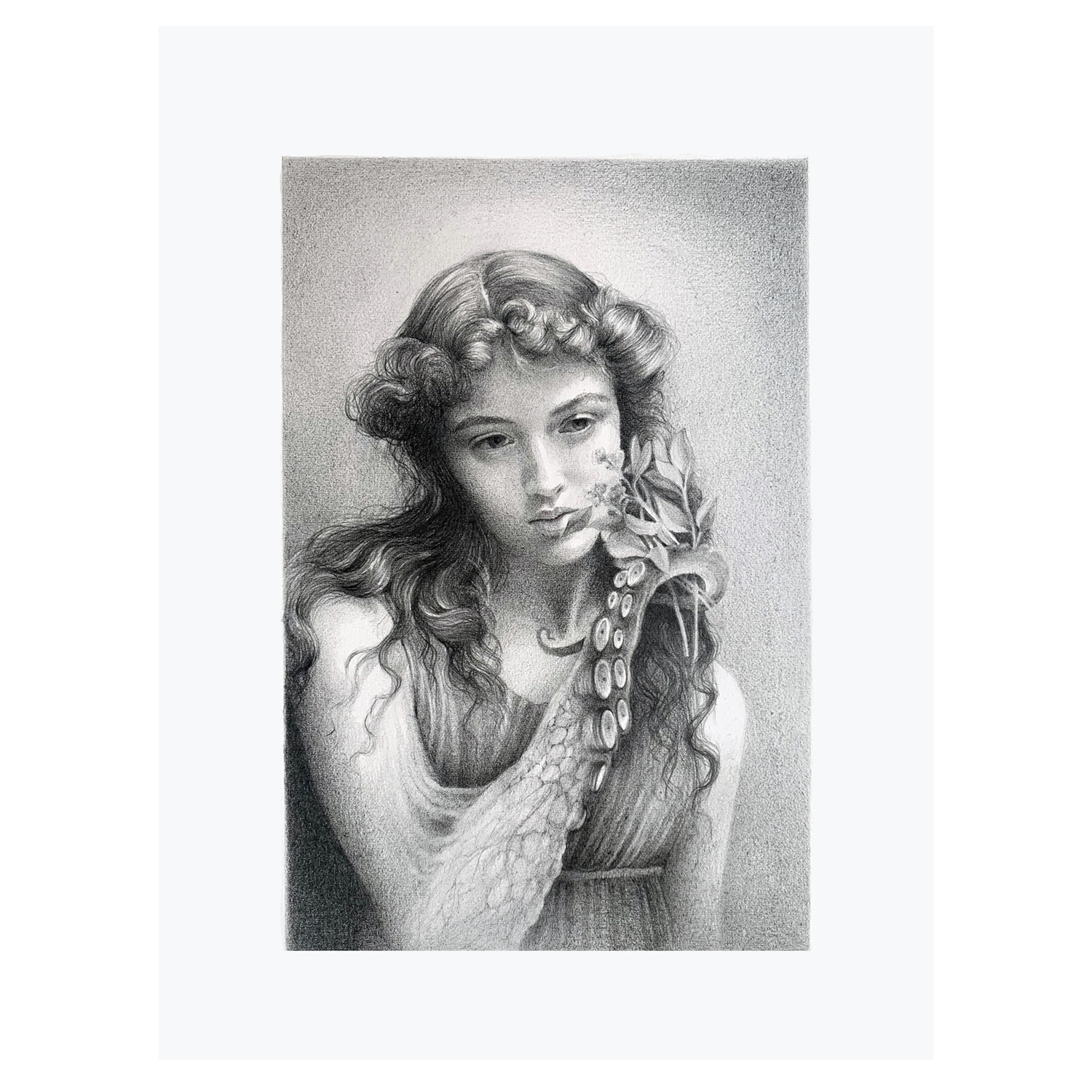
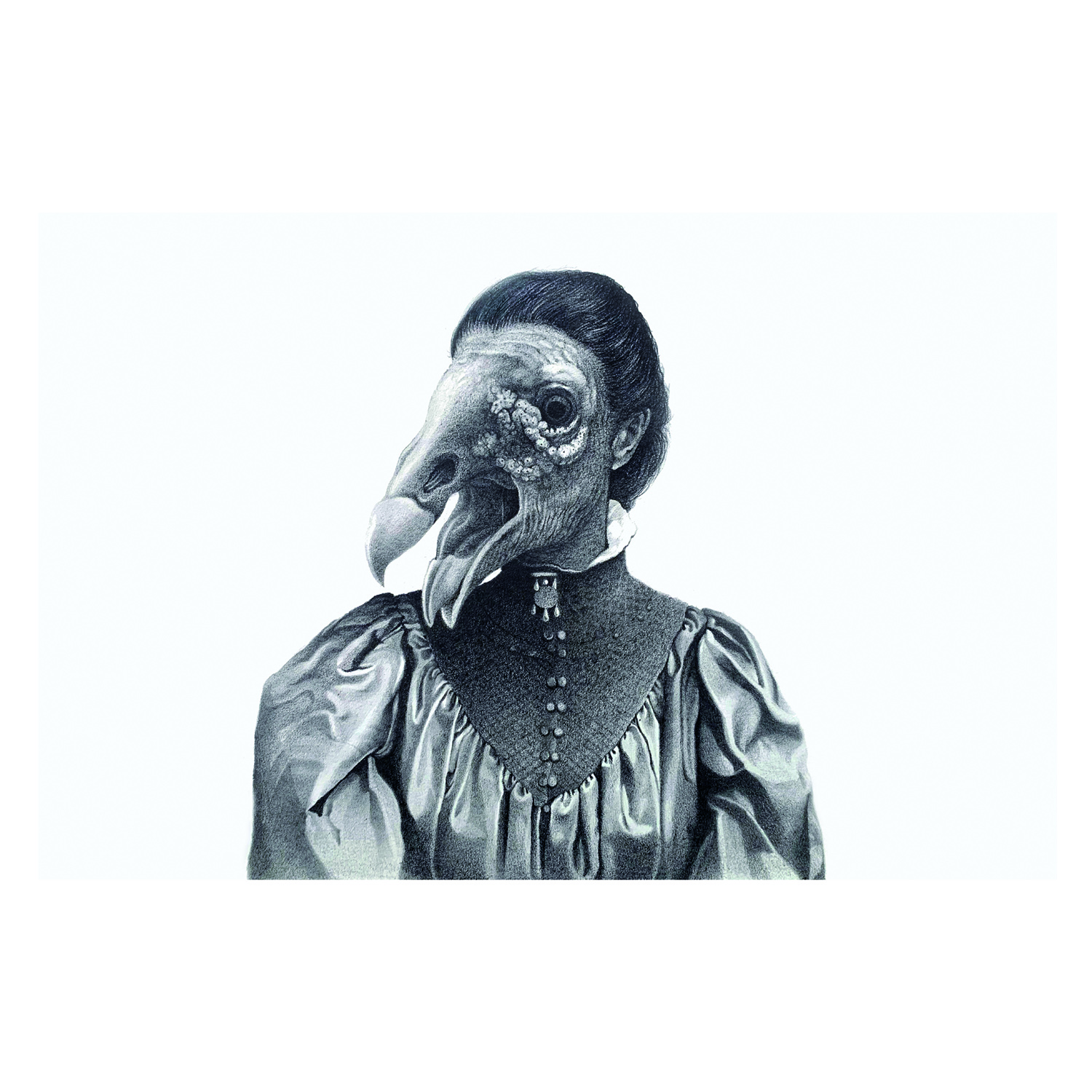
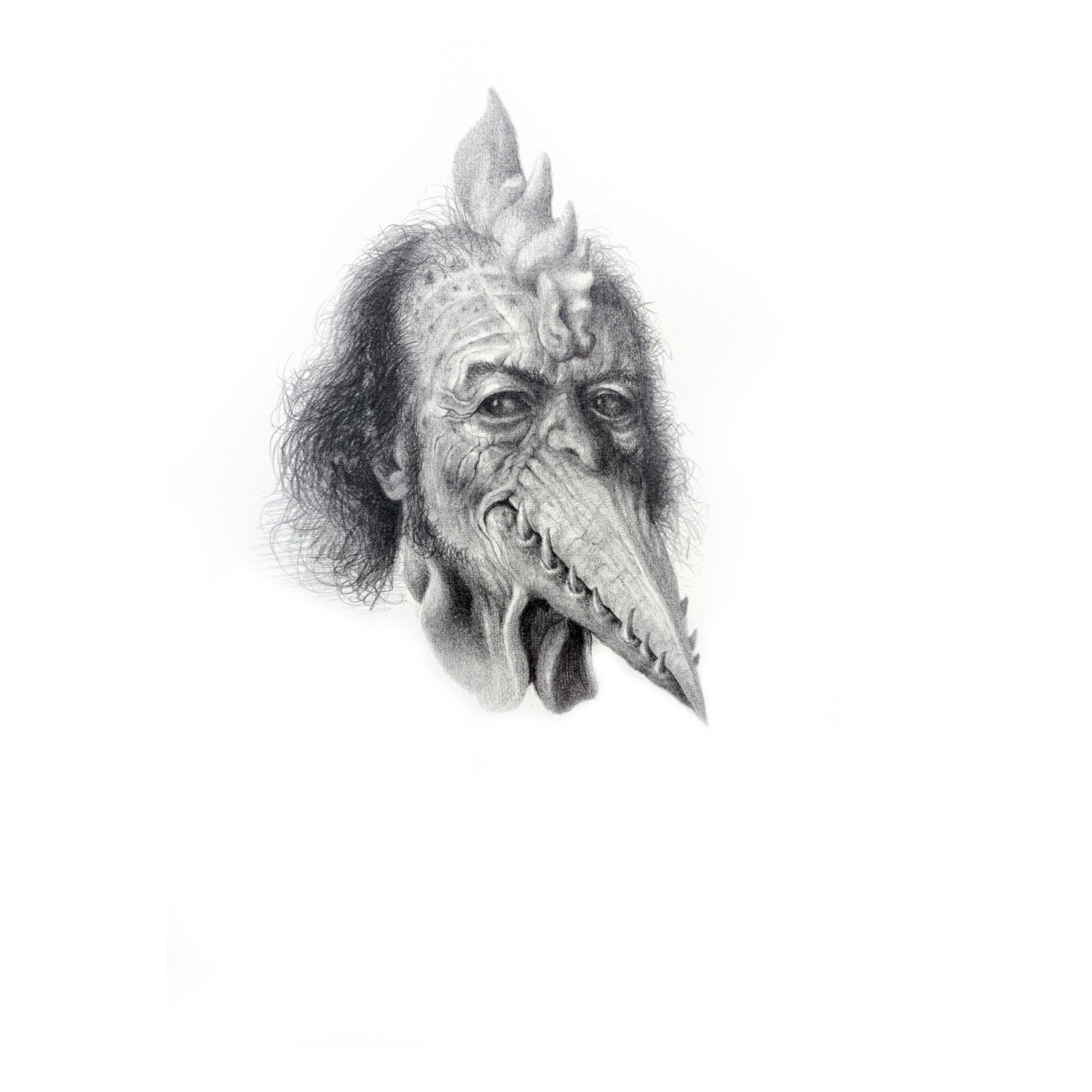
Juan José Martínez Cánovas, meanwhile, uses pencil on paper to upturn the world of classical portraiture with a series of hybrid human-animal figures, generated by the fusion of mythology and reality. These mystical, surreal and sometimes disquieting images are striking not only for their subject matter but also for their draughtsmanship.
Leonor Benito de la Lastra is a prominent Spanish Fine Art photographer whose practice is deeply rooted in the traditions and experimental possibilities of analogue photography. Born in Barcelona in 1962, she holds a degree in Fine Arts from the University of Salamanca with a specialisation in audiovisual design. In a career spanning more than three decades, she has established herself as a master of the darkroom, treating the laboratory not just as a space for development, but as a primary creative tool for artistic intervention.
Benito de la Lastra’s work is characterised by black-and-white imagery and the manipulation of chemical processes to heighten themes of memory, loneliness and the passage of time. The artist has played an important role in the Spanish photographic community, notably running El Fotógrafo in Salamanca—a gallery space and bookstore dedicated to photography and associated research. Her excellence has been recognized internationally, including selection for the Magnum Photography Awards and receiving honorary mentions from Life Framer, a platform for the discovery and celebration of contemporary photography.
Luis J. Fernández, born in Blanca, Murcia, in 1974, is a self-taught painter who has chosen formalism as his artistic language. His career began with a period dominated by the representation of symbolic spaces linked to his native environment, which earned him a place at the 2nd Biennial of Contemporary Art in Florence in 1999. In February 2005, he received the Young Artist of the Year Award from the Region of Murcia, and in 2016, the Gold Medal at the Forum Europa in Madrid.
Fernández has made a name for himself principally through images of urban landscapes, creating imaginary cities based on buildings that are symbolic of contemporary civilization. This series has been exhibited in cities across the world including Madrid, Paris, Rome, Dubai, Florence, Shanghai and Miami.
Juan José Martínez Cánovas was born in Murcia in Spain in 1980. After graduating from the city’s Academy of Fine Arts, he won a grant to attend the Academy of Fine Arts in Rome and completed a Masters in research into contemporary painting materials and techniques. Martínez Cánovas has also studied under two internationally acclaimed Spanish artists, Antonio López García and Pedro Cano, and their influence has had a profound impact on his work. Martínez Cánovas has won numerous awards, exhibited widely in Spain and abroad and his artwork is to be found in various Spanish public collections.
Martínez Cánovas’s fascination with myth, metamorphosis and existential anxiety has shaped his interest in challenging and transforming the traditional portrait genre. His delicately handled graphite drawings on gesso and paper have won wide acclaim for their technical virtuosity.