INFO
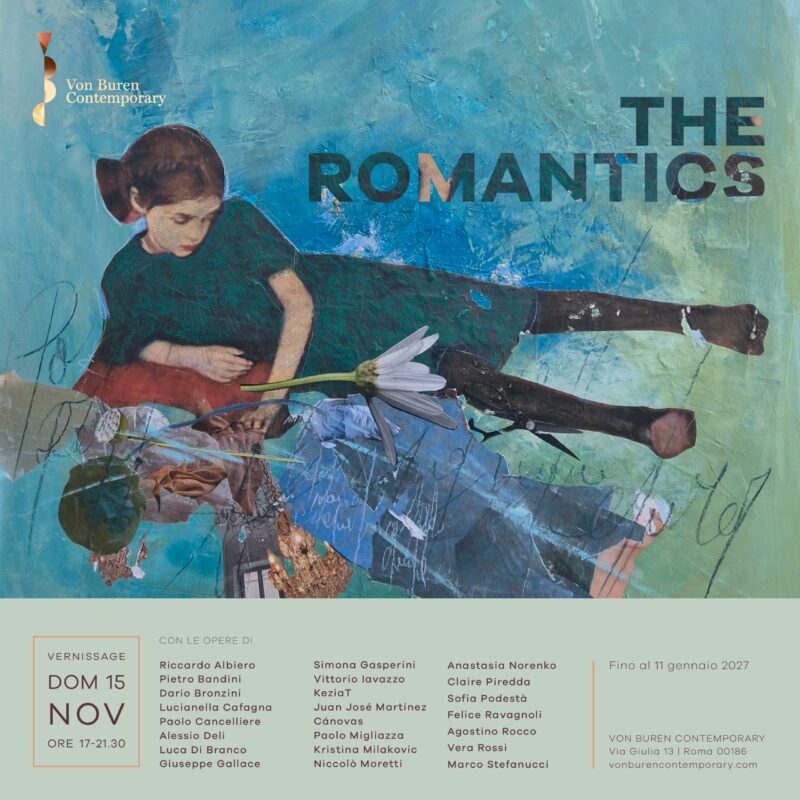
From November 15 2026 until January 11 2027
Vernissage: Sunday November 15, 5:00 – 9:30 pm
Von Buren Contemporary
Via Giulia 13
00186 Rome
Von Buren Contemporary presents
The Romantics
Christmas group exhibition with works by
Riccardo Albiero Pietro Bandini Dario Bronzini Lucianella Cafagna
Paolo Cancelliere Alessio Deli Luigi Di Branco Giuseppe Gallace
Simona Gasperini Vittorio Iavazzo KeziaT Juan José Martínez Cánovas
Paolo Migliazza Kristina Milakovic Niccolò Moretti Anastasia Norenko
Claire Piredda Sofia Podestà Felice Ravagnoli Agostino Rocco
Vera Rossi Marco Stefanucci
Von Buren Contemporary
Via Giulia 13, 00186 Rome
The world must be made Romantic. In that way one can find the original meaning again…
Novalis (1772-1801)
Von Buren Contemporary is thrilled to present THE ROMANTICS, its rich and stimulating Christmas group exhibition dedicated to the Romantic era.
With the participation of 22 artists and a diversity of genres including painting, drawing, sculpture, photography, collage and ceramics, The Romantics transforms the gallery itself into an installation artwork enabling visitors to lose themselves – if only briefly – in a world of beauty, wonder and poetry.
Each of the selected artists has some form of affinity with the ideas and beliefs that were central to Romanticism, which flourished from the late 18th to the mid-19th century. Key to the movement was a reverence for the world of nature; the emphasis on emotion and imagination as opposed to reason and the intellect; the exaltation of the individual and personal expression; the exploration of inner psychological struggles; a fascination with the past, and a yearning for magic and transcendence.
In difficult times such as these, the gallery’s artists have found common ground in the Romantics’ celebration of beauty and the sublime, their distrust and misgiving in the face of advancing industrialisation and materialism and their staunch belief that imagination and nature were healing powers which offered a refuge and a way to overcome their troubles and circumstances.
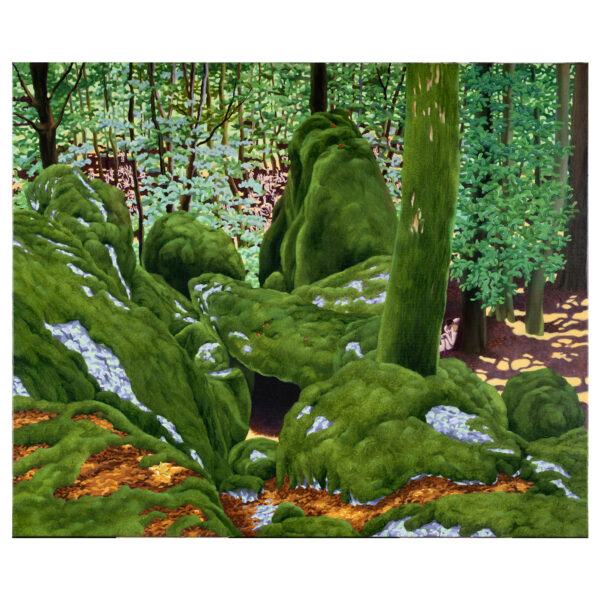
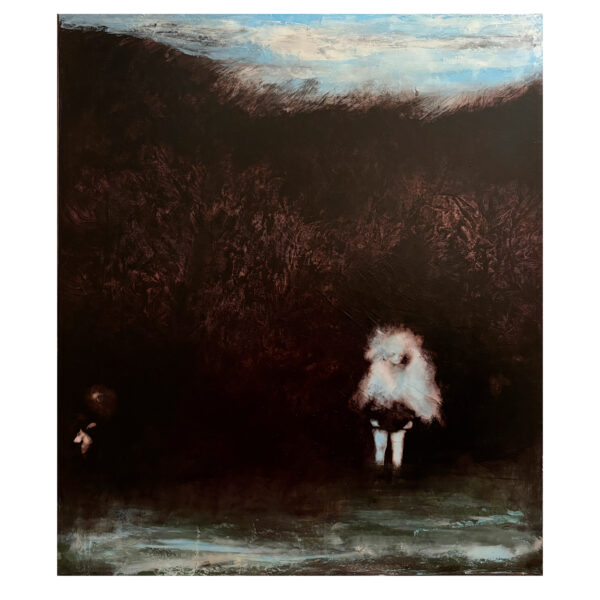
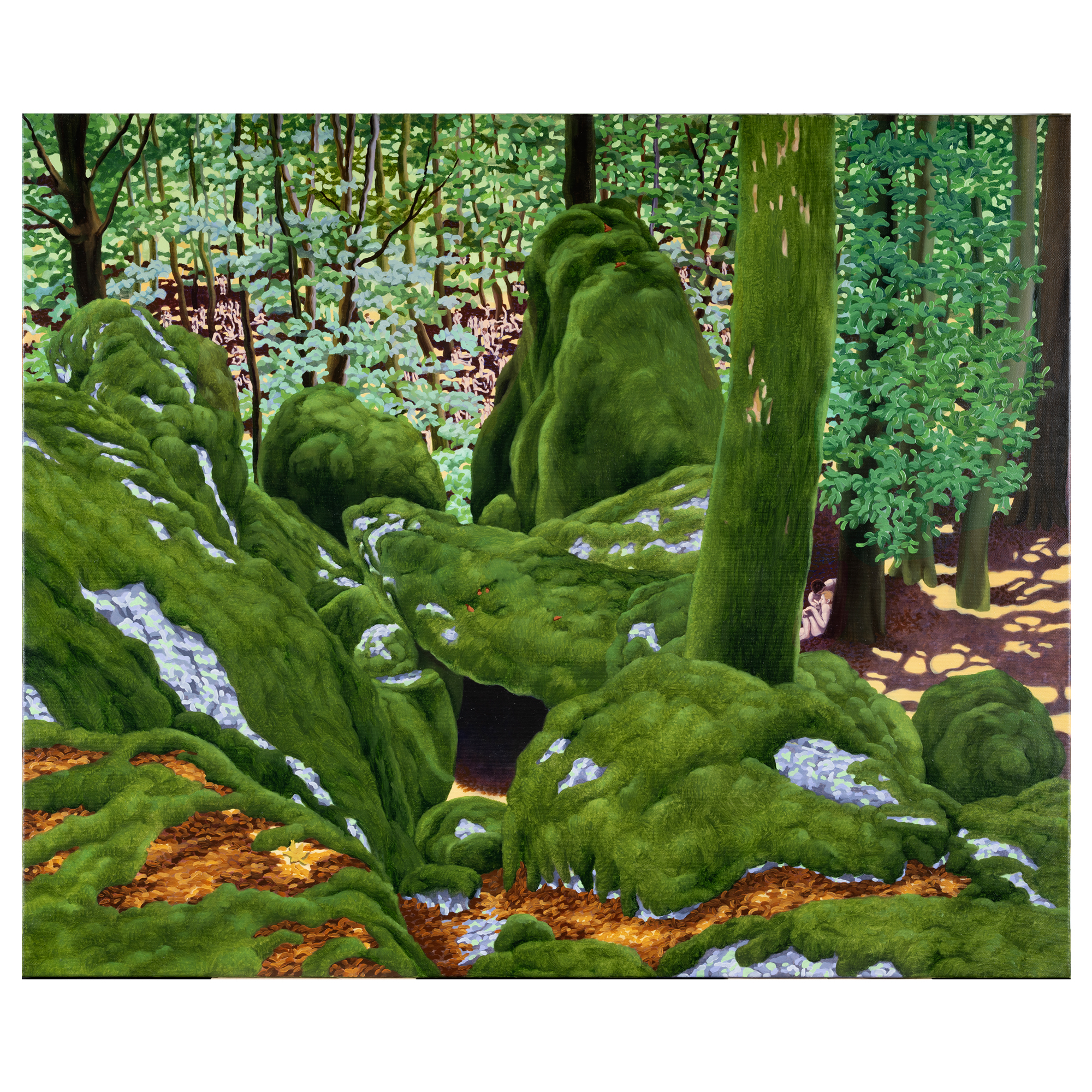
Many of the works on show focus on the landscape: the atmospheric paintings of Kristina Milakovic
in which reality blends with the imagination contain clear echoes of Romanticism, while Anastasia Norenko‘s vibrant works are created en plein air, a practice which emerged during the Romantic period as artists sought a deeper, more direct connection with nature.
Photographer Sofia Podestà captures the Arctic glaciers of Greenland, tuning into the Romantic fascination with the poles, the mythical quest for the Northwest Passage and the movement’s concept of the sublime – the feelings people experience before vast, overwhelming landscapes which elicit both awe and terror.
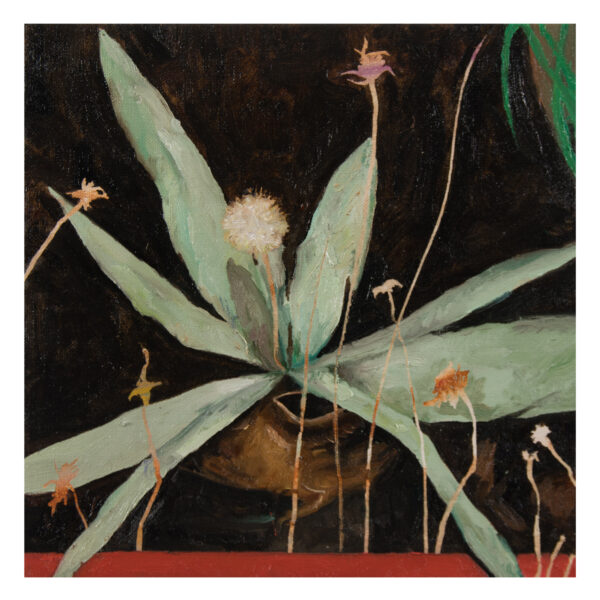
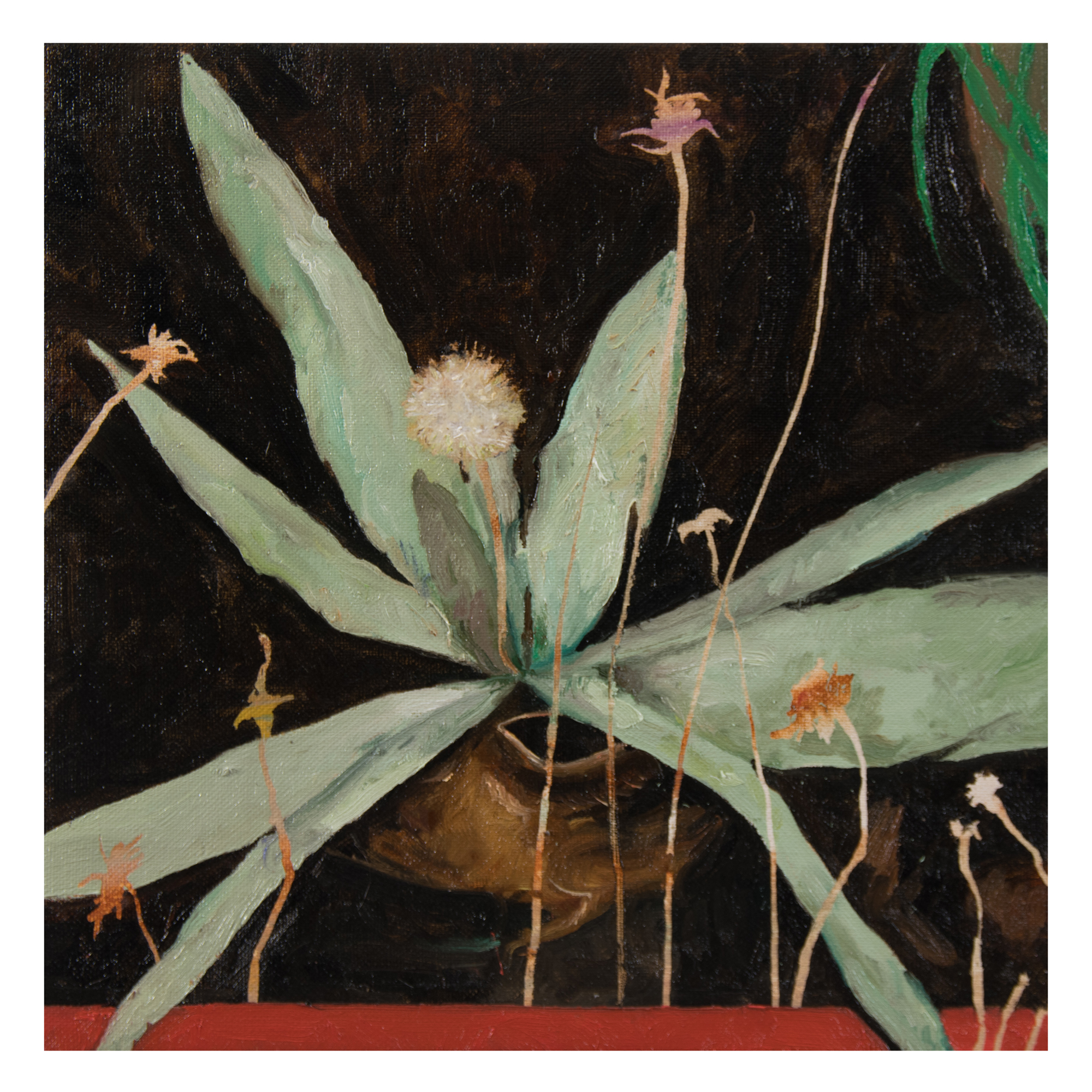
The works of painter Giuseppe Gallace, photographer Vera Rossi and ceramic artist Dario Bronzini zoom in on the breathtaking beauty and simplicity of wild-growing flowers in homage to the poetry of William Wordsworth and William Blake, while Luigi Di Branco and Marco Stefanucci take inspiration from John Keats with their depictions of succulent fruits and attendant symbolism.
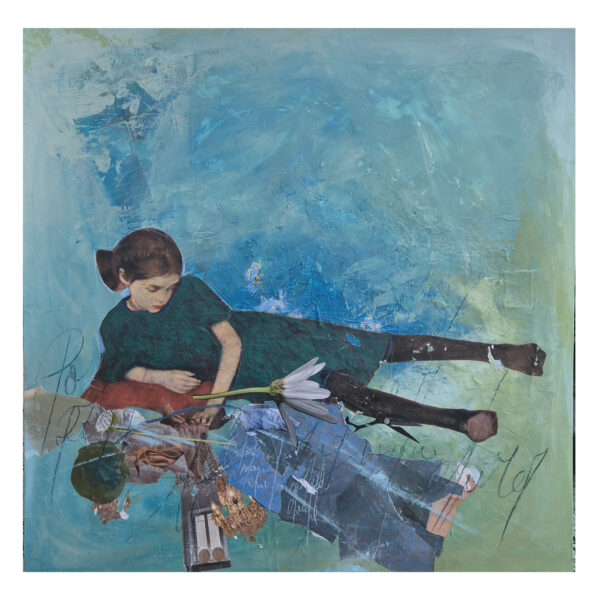
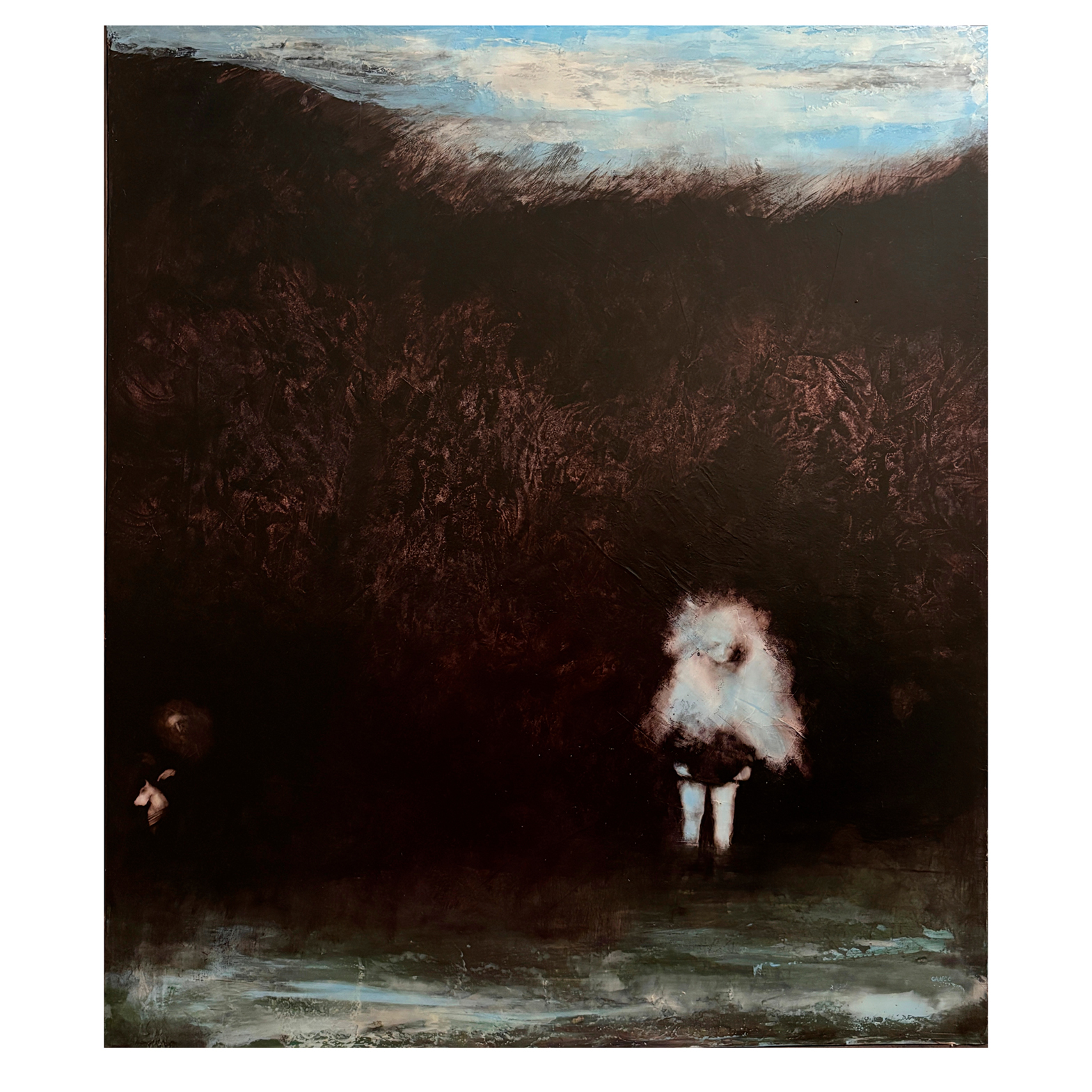
The paintings of Riccardo Albiero and Paolo Cancelliere look to the Romantic idea that for the world to be regenerated, it is necessary to start over with a childlike perspective. Adopting the vision of Jean-Jacques Rousseau, Romanticism held that children were special because of their innocence, thanks to which they enjoyed a precious bond with nature.
The movement’s fixation on the medieval and ancient past – as a direct emotional and ideological revolt against the Age of Enlightenment and the rise of urbanisation, industrialisation and commercialism – provides inspiration for the sculptures of Alessio Deli and Vittorio Iavazzo and the paintings of Felice Ravagnoli and Agostino Rocco.
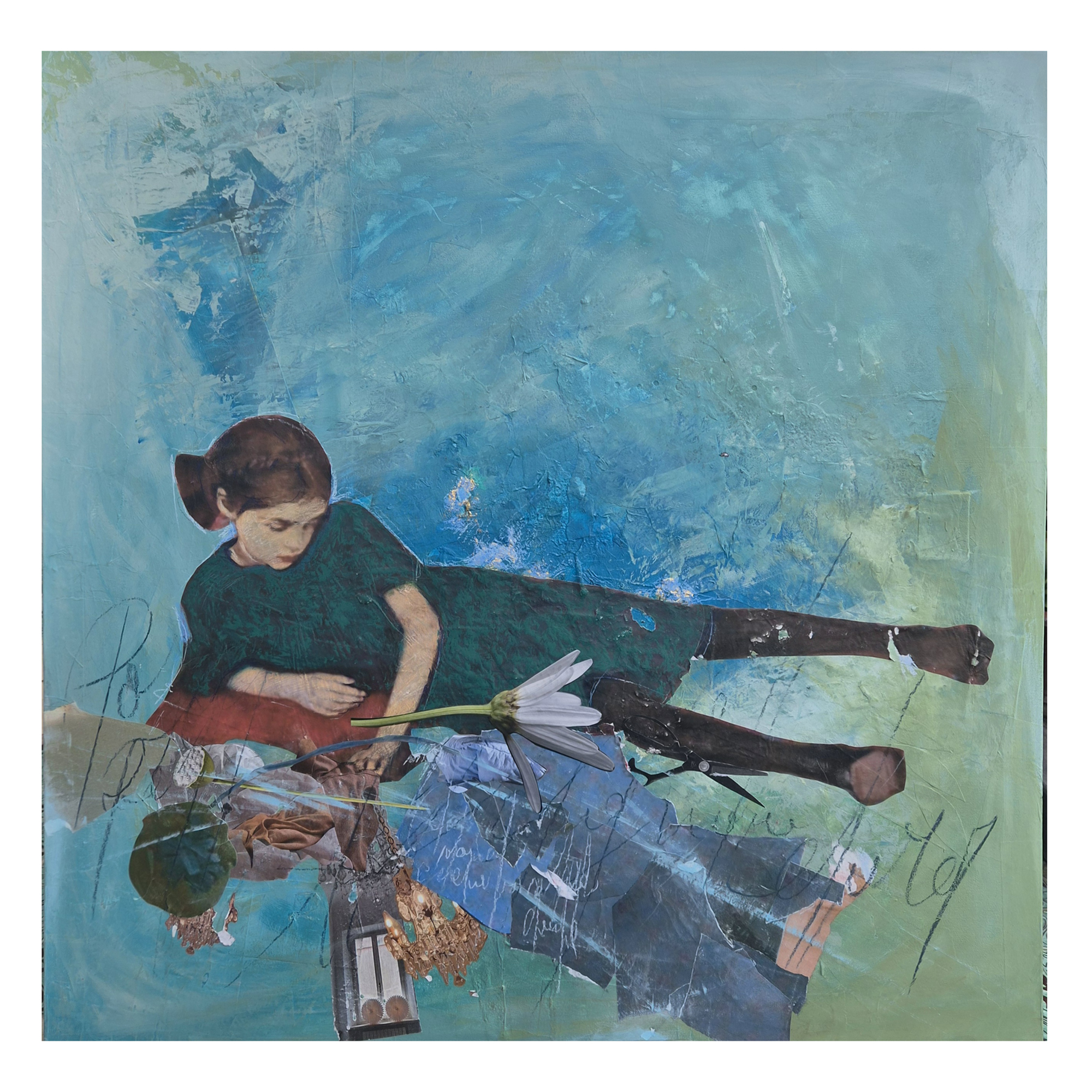
Collage artist Simona Gasperini and artist and performer KeziaT offer a more whimsical approach to the subject with works in a highly poetic, contemporary Romantic vein, while Spanish artist Juan José Martínez Cánovas uses pencil on paper to create a series of exquisitely executed hybrid human-animal figures. These works not only reference Mary Shelley and her novel Frankenstein but also Romantic anxieties about science and technology slipping past human control and mankind’s potential to subvert nature. Shelley’s exploration of the dangers of tampering with the building blocks of life provides an undercurrent for the exhibition as the artists reflect on contemporary climate concerns and the consequences of the Anthropocene.
The human figure remains the focus for various artists in the show, including sculptors Paolo Migliazza and Claire Piredda, with creations in resin and terracotta, and painter Niccolò Moretti, whose brooding canvases mirror the Romantics’ cult of subjective inner experience.
Meanwhile the haunting black-and-white photo presented by photographer Paolo Bandini reminds us of the vital role played by women writers, artists and muses in the movement, becoming a metaphor for how many of them were forced to hide or disguise their identity.
Lucianella Cafagna‘s work, instead, ties in with the Romantic movement’s interest in fairy tales and folklore, in particular the story of Cinderella, who represented the ideal Romantic Child – pure, innocent and instinctual – and the need for deep emotional truth and connection with nature.
Overall in accordance with Romantic ideas, this exhibition bypasses recent trends in contemporary art and puts the emphasis back on traditional skills, allowing technical mastery and emotional connection to re-emerge alongside ideas as criteria on which to evaluate a work of art.